

If you are planning to join a tea ceremony in Japan, you may be wondering what to wear.
Do you need a kimono?
Why are white tabi or socks traditionally worn?
Should you remove jewelry?
And does perfume really matter?
The good news is that the answer depends on the kind of tea experience you are joining.
A traditional tea gathering has its own customs, while visitor-friendly tea experiences are usually much more relaxed.
Visiting a Tea Ceremony in Japan as a Tourist?
You usually do not need a kimono or formal Japanese clothing for a visitor-friendly tea ceremony.
Clean, comfortable everyday clothing is generally fine.
Traditional tea gatherings, however, have a few extra customs involving white tabi or socks, jewelry, fragrance, and overall appearance.
In this guide, we look at both sides: what is traditionally expected in chanoyu (茶の湯), also known as chado or the Japanese Way of Tea, and what first-time visitors actually need to know before joining a tea ceremony experience in Japan.
In This Guide
Formal Tea Gatherings and Tourist Tea Experiences Are Different
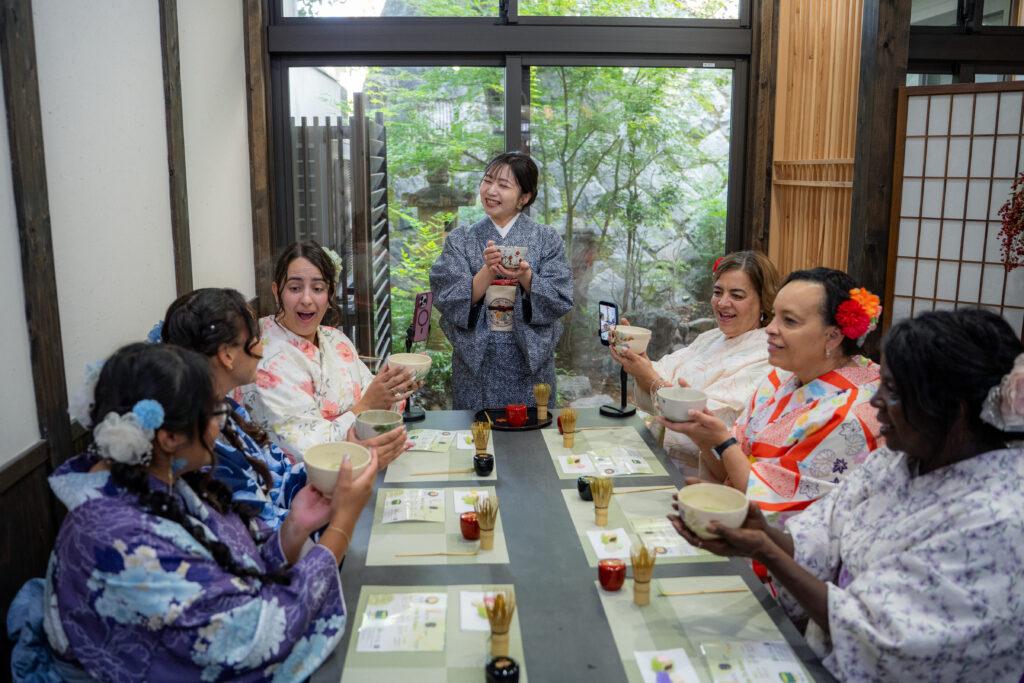
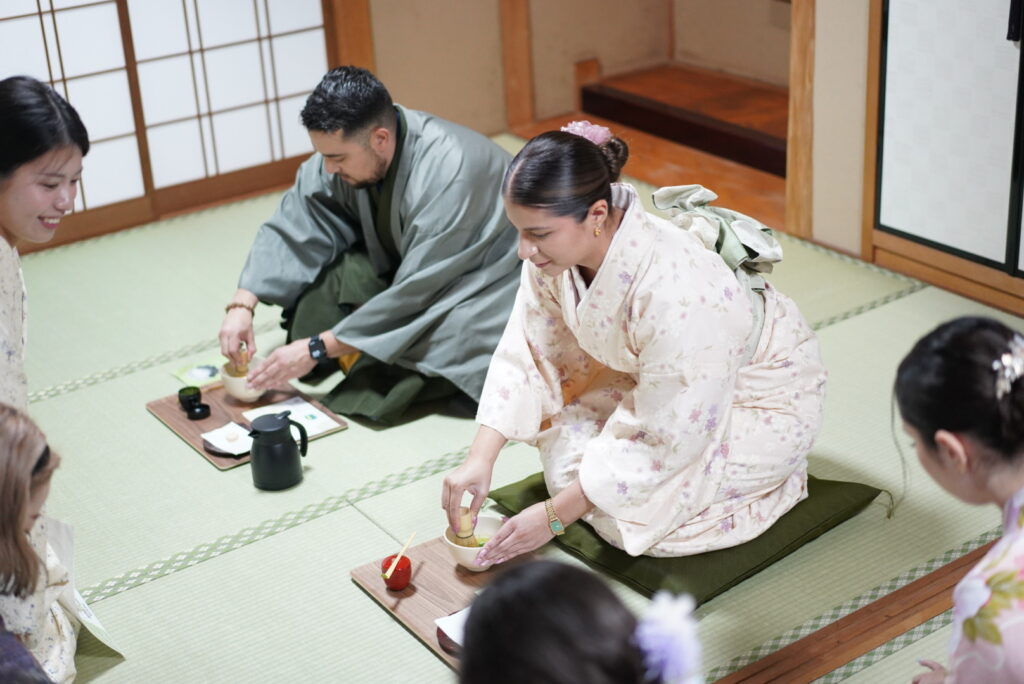
There is no single dress code for every tea ceremony.
What is appropriate can depend on the occasion, the host, the school of tea, and your role as a guest.
A full tea gathering, known as a chaji, is different from a chakai (tea gathering), a tea lesson, or a short cultural experience designed for travelers.
At a traditional gathering, clothing and personal appearance are part of the guest’s etiquette.
But these customs are less about following strict rules and more about showing care for the host, the tea utensils, the setting, and the people sharing the experience with you.
Visitor-friendly experiences are usually much easier.
They are designed so that people with no previous knowledge of tea ceremony can take part comfortably and enjoy learning as they go.
Why Are White Tabi or White Socks Worn?
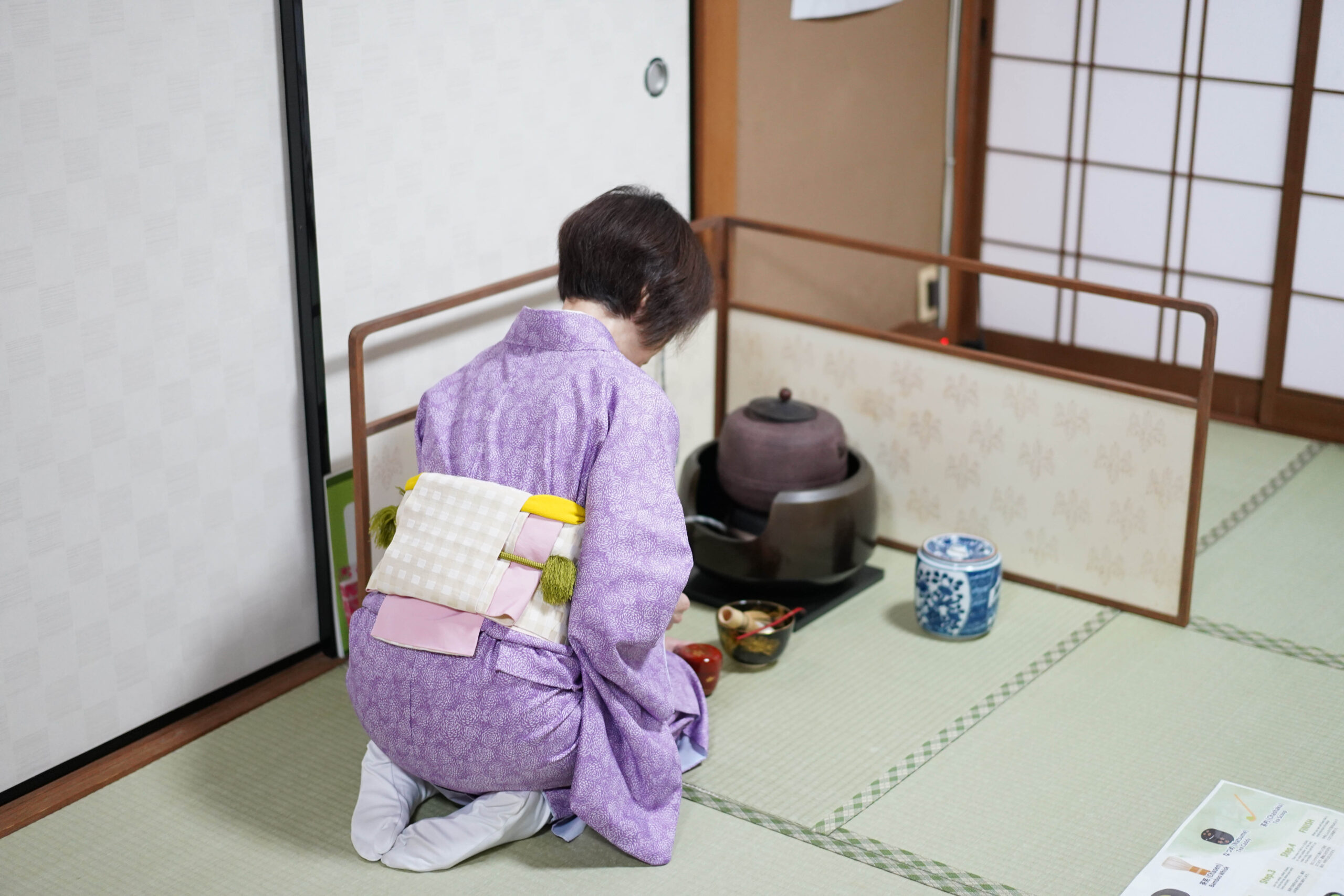
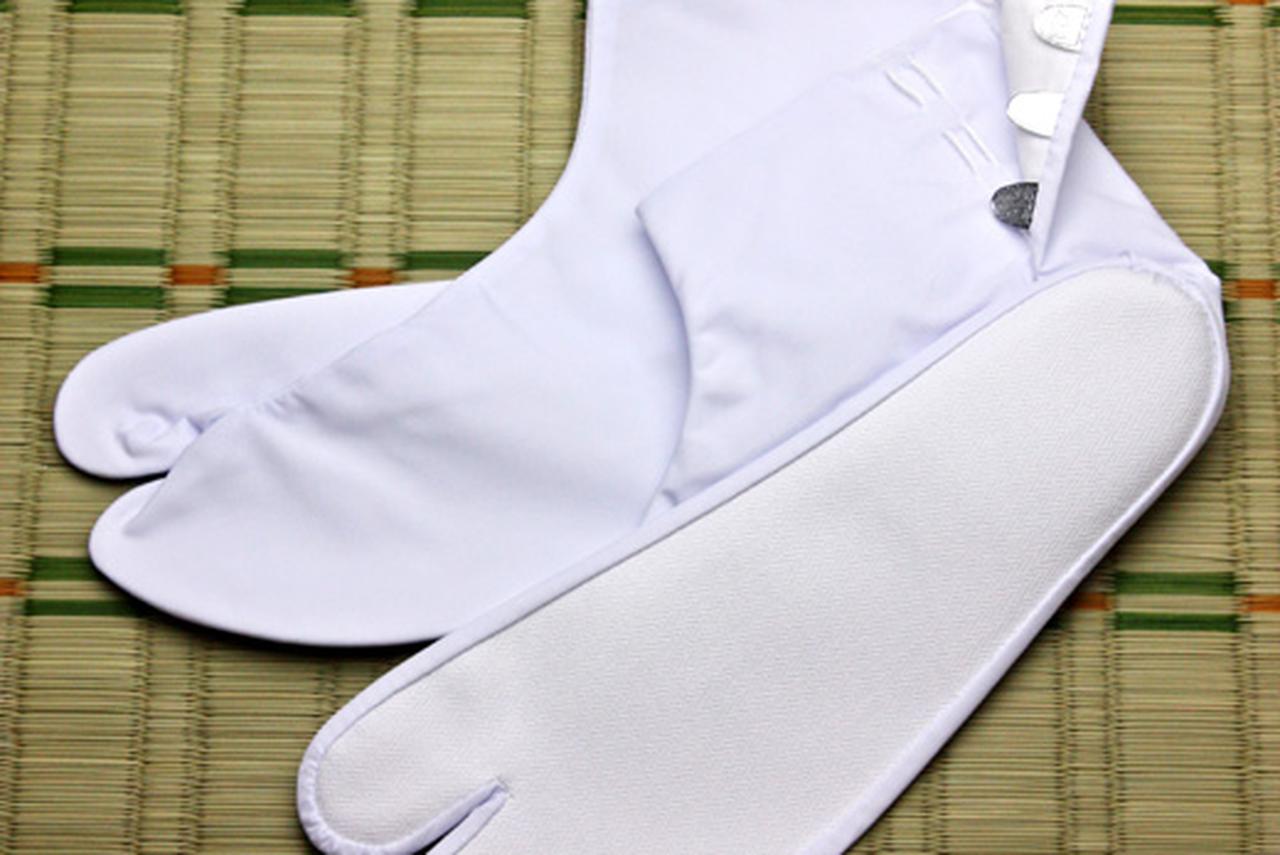
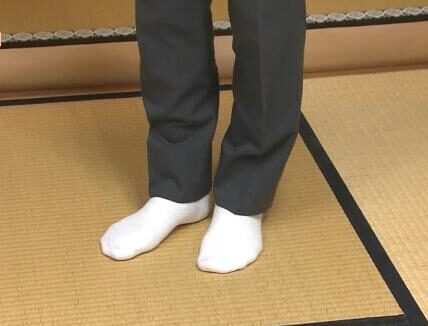
With kimono, clean white tabi are traditionally worn in the tea room.
For tea practice in Western clothing, white socks may be worn instead.
It is easy to explain this as “white socks keep the tatami clean,” but that is only part of the story.
In traditional tea practice, clean white tabi are simply part of being properly dressed for the tea room.
Guests may change into a fresh pair before entering so that they arrive clean and properly prepared.
Cleanliness matters, of course, especially in a tatami room.
But the custom is also about the way a guest prepares themselves before entering the tea space.
This fits naturally with the care and attentiveness found throughout tea culture, without needing to treat the color white itself as a direct symbol of a particular tea principle.
Good to know:
People who practice tea may bring a fresh pair of white socks or tabi and change before entering the tea room.
The key idea is not simply “wear white,” but to enter the tea space clean and properly prepared.
What About Bare Feet?
Bare feet are generally avoided in a traditional tatami tea room.
Wearing tabi or socks is part of the usual etiquette for entering the tea space.
There is also a practical side: clean socks or tabi reduce direct contact between bare feet and the tatami.
So it is best to think of this as a mix of traditional practice, cleanliness, and etiquette, rather than simply a rule for protecting the floor.
Why Are Rings, Watches, and Jewelry Removed?
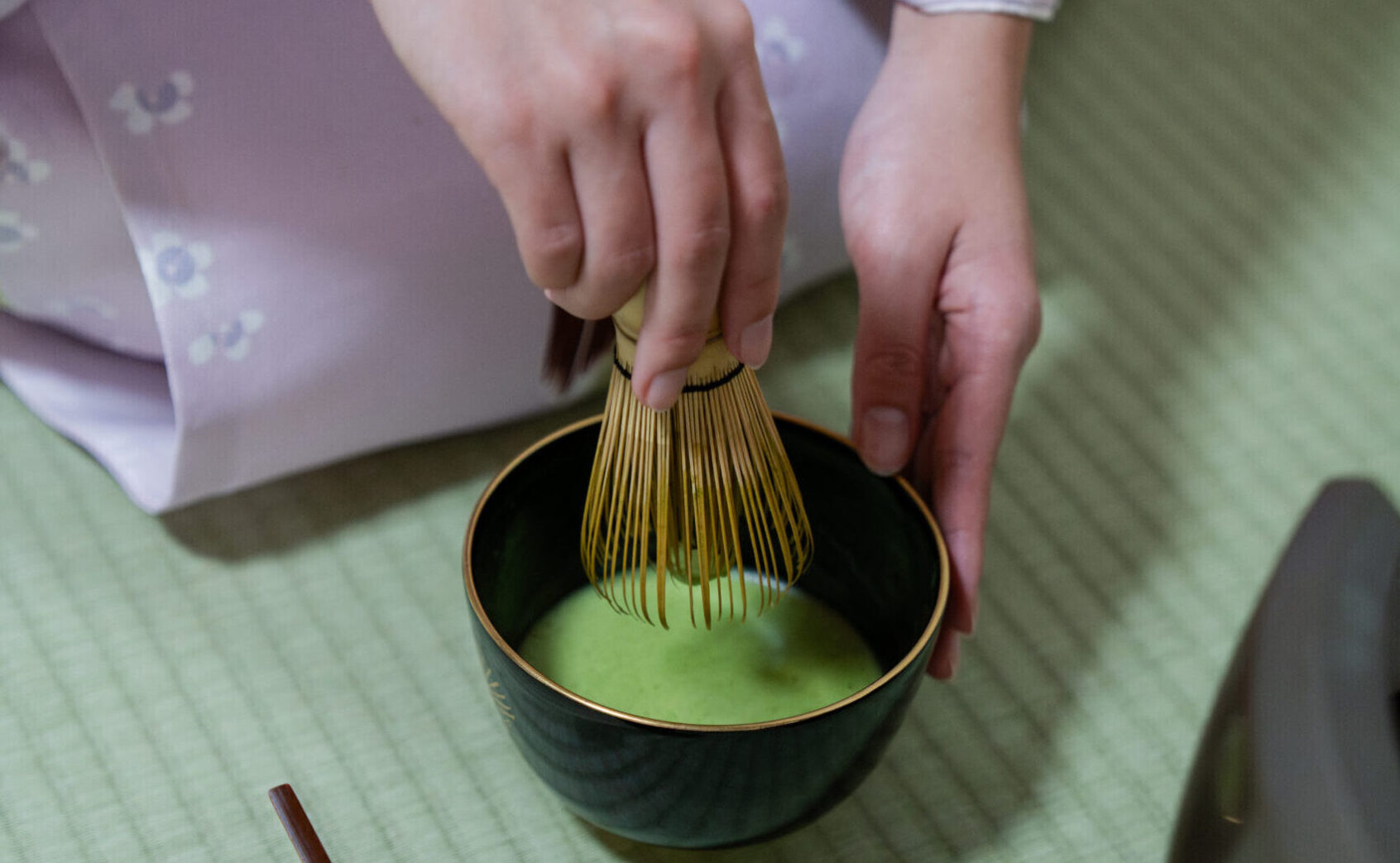
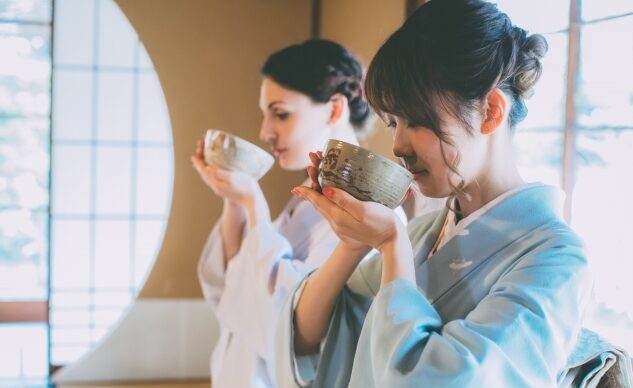
This one has a very practical reason.
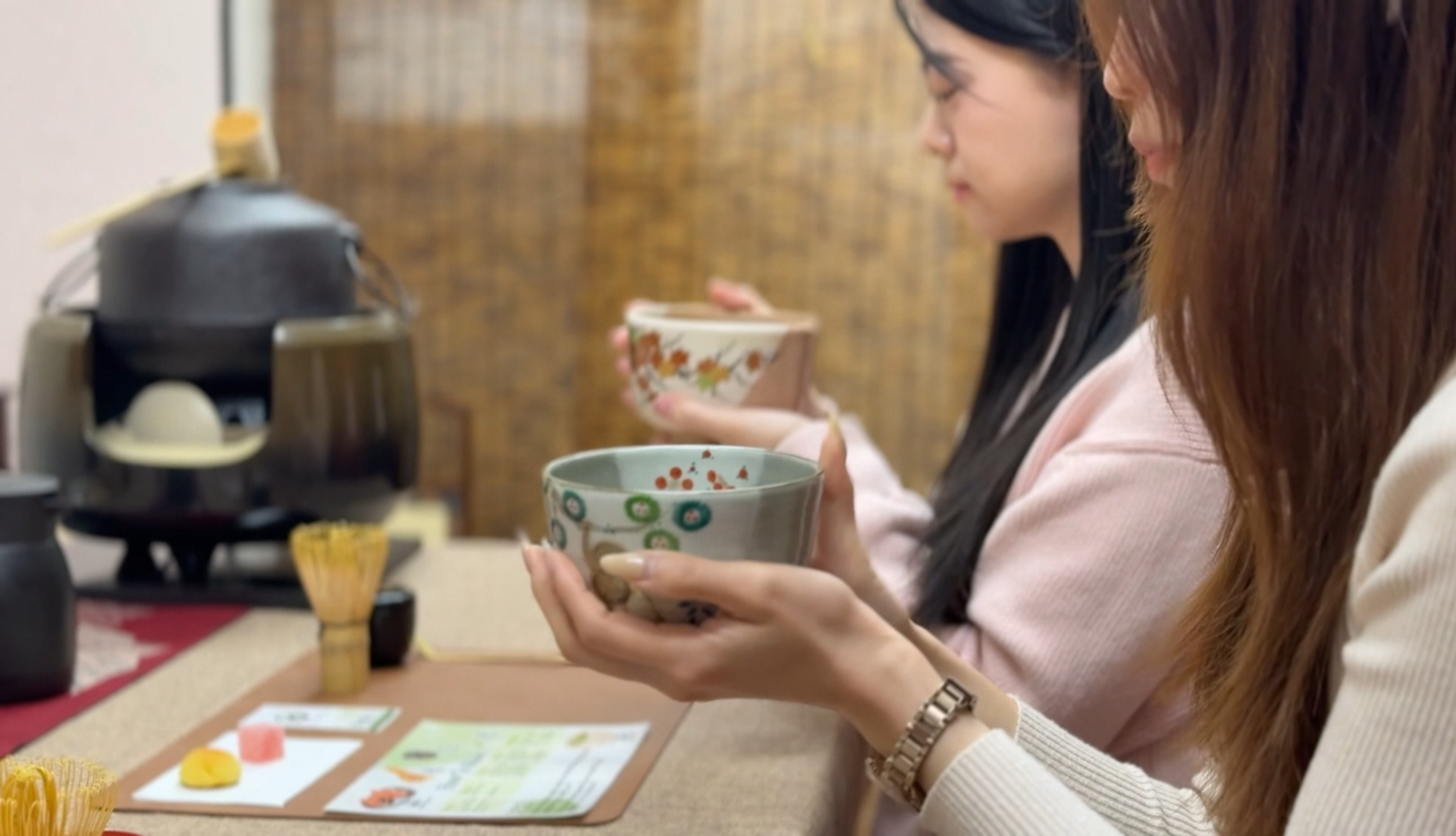
Guests often hold tea bowls directly in both hands.
Some tea utensils are delicate, valuable, or even irreplaceable, so hard objects such as rings, bracelets, and watches are traditionally removed before handling them.
A ring can scratch the surface of a chawan, and a watch or bracelet may accidentally strike a utensil as you move.
Removing these items is a simple way of showing care for the utensils placed in your hands.
| Item | Traditional Setting | Why? |
| Rings | Remove | To avoid scratching or damaging tea utensils |
| Watches & Bracelets | Remove | Hard surfaces may strike or scratch utensils |
| Obi-dome | Generally avoid | Tea attire is usually kept simple; hard ornaments may also pose a risk to utensils |
| Large Hair Ornaments | Generally avoid | A simple hairstyle is more suitable and easier when bowing |
| Strong Perfume | Avoid | It can overpower the subtle aromas of tea, incense, food, and sweets |
What About Obi-dome and Hair Ornaments?
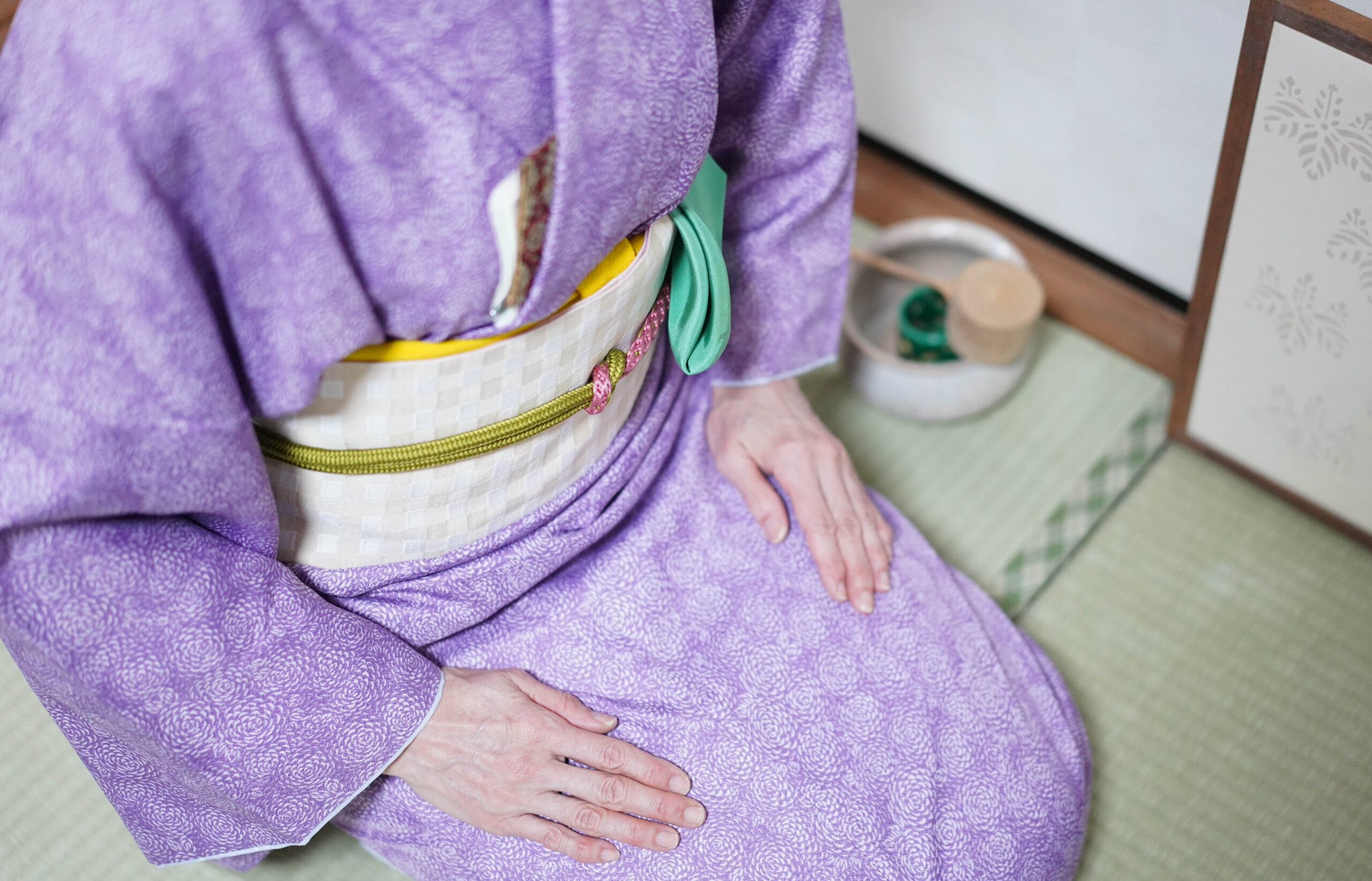
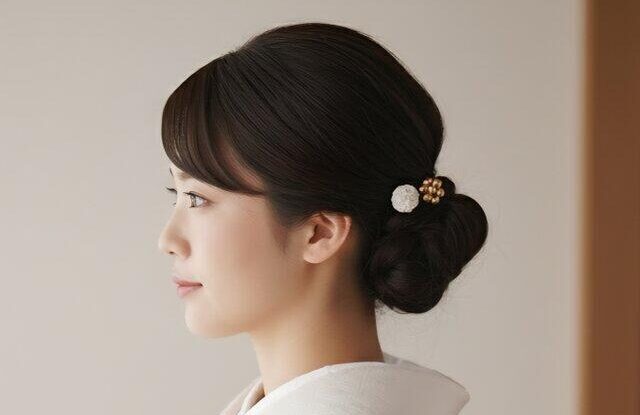
These are a little different from rings and watches.
An obi-dome is a decorative ornament worn on the obi cord.
It can be a beautiful part of everyday kimono styling, but it is generally left out of traditional tea attire.
Tea ceremony clothing is usually kept simple and understated.
The idea is to let the tea, the utensils, and the seasonal setting take center stage rather than drawing attention to decorative accessories.
Because obi-dome are often made from hard materials, protecting valuable utensils is also something to keep in mind.
But it is more natural to understand their absence as part of the overall simplicity of tea attire, rather than simply saying that an obi-dome might hit a tea bowl.
Hair Ornaments
The same idea applies to hair.
Not every hair ornament is automatically forbidden.
A better guideline is that large, elaborate, dangling, or highly decorative hair ornaments are generally avoided at a traditional tea gathering.
Long hair is best arranged neatly so that it does not fall forward when bowing or looking closely at tea utensils.
A simple hairstyle also feels more natural in the calm, understated setting of the tea room.
Why Should You Avoid Strong Perfume?
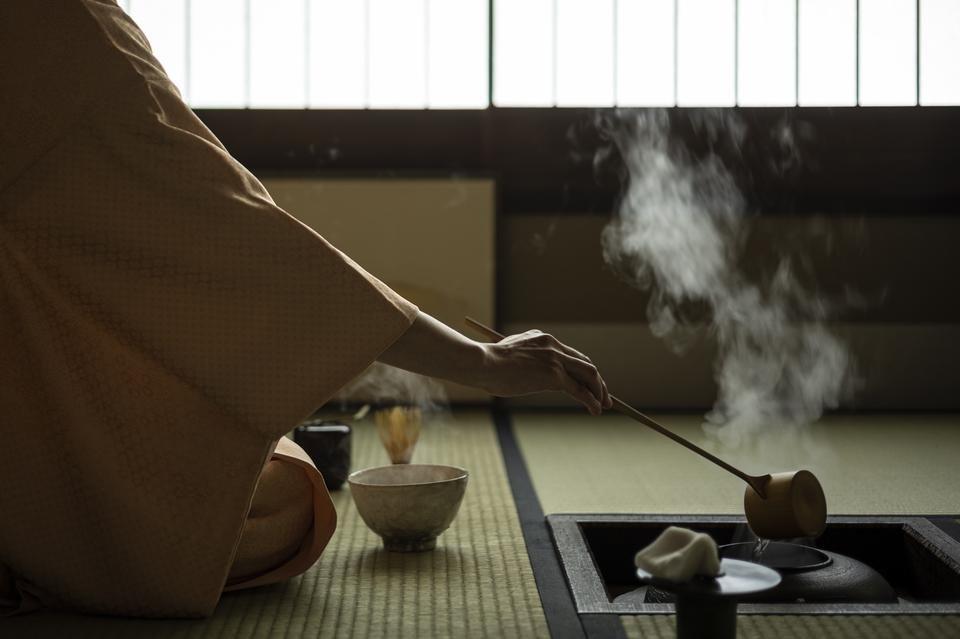
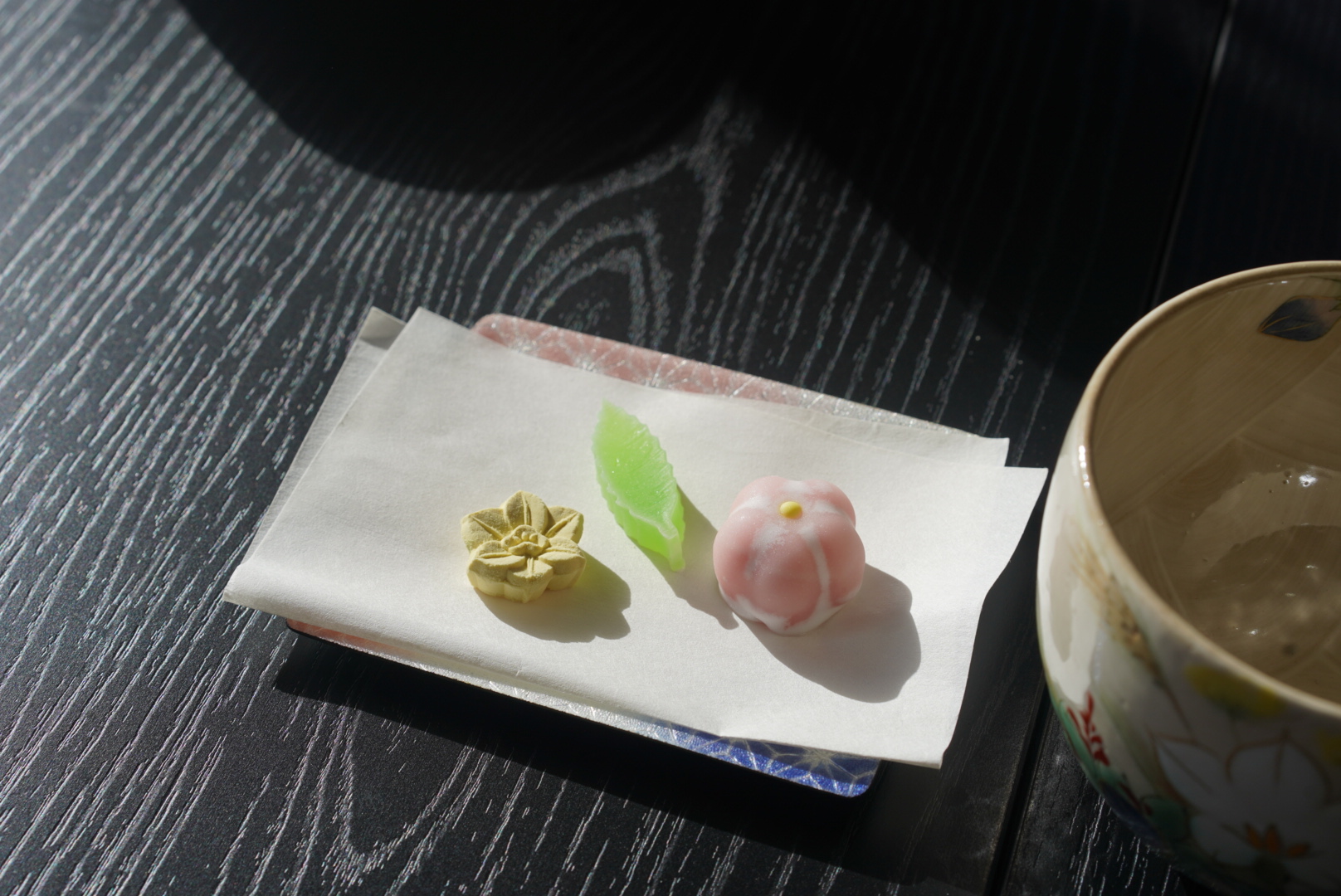
Perfume may seem unrelated to clothing, but it matters in the tea room too.
Tea is experienced through more than taste and sight.
The aroma of matcha, incense, a meal, and traditional sweets can all be part of the experience.
Strong perfume, cologne, fragranced hair products, or other powerful scents can easily overpower those subtle aromas and affect the experience of everyone in the room.
That is why strong fragrance is traditionally avoided.
The common theme is consideration.
Many tea etiquette rules make more sense when you stop thinking of them as restrictions and instead see them as simple ways to avoid distracting from the tea, the utensils, the host, and the other guests.
Do You Have to Wear a Kimono?
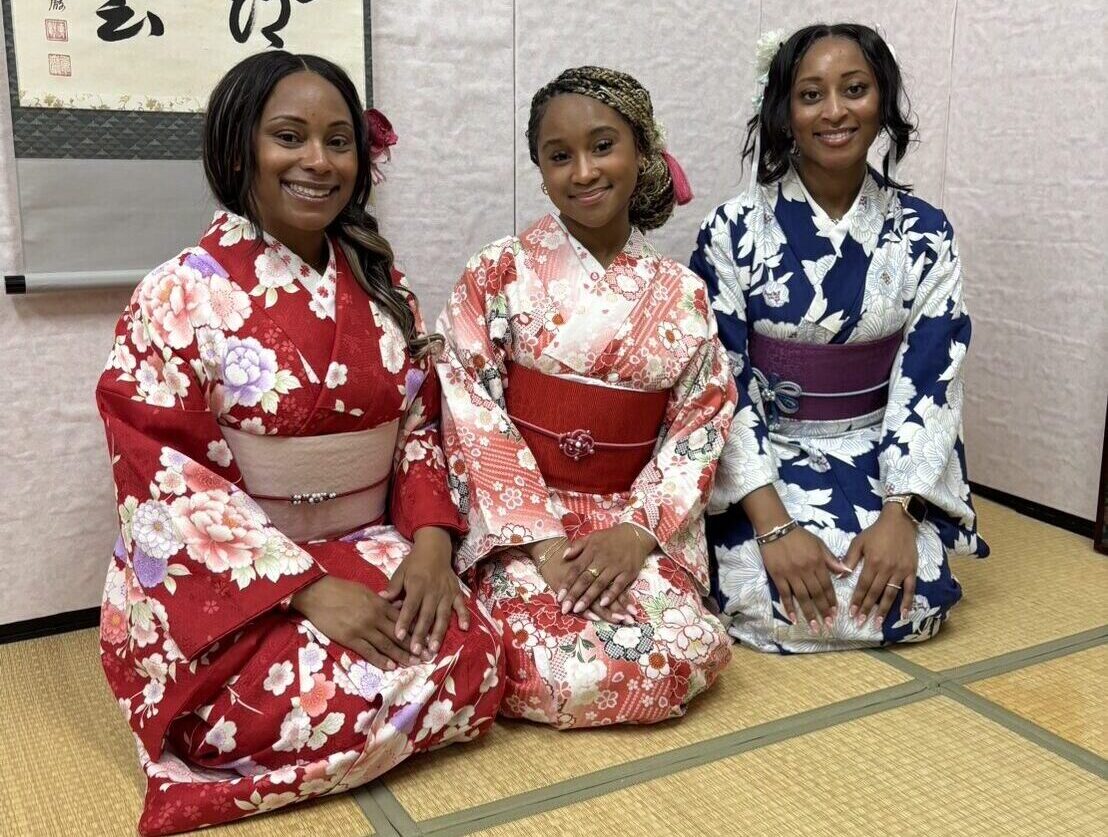
No.
A kimono is not required for every tea gathering.
At more formal gatherings, what you wear can depend on the occasion, season, school of tea, and your role as a guest.
There is no single type of kimono that is right for every situation.
If you are invited to a formal chakai or chaji, it is best to ask the host or your tea teacher what level of dress is appropriate.
Western clothing may also be suitable for lessons and less formal occasions.
Choose something clean, modest, comfortable to move in, and easy to sit and bow in.
For traditional tea practice in Western clothing, clean white socks are commonly worn.
What Do Tourists Actually Need to Know?
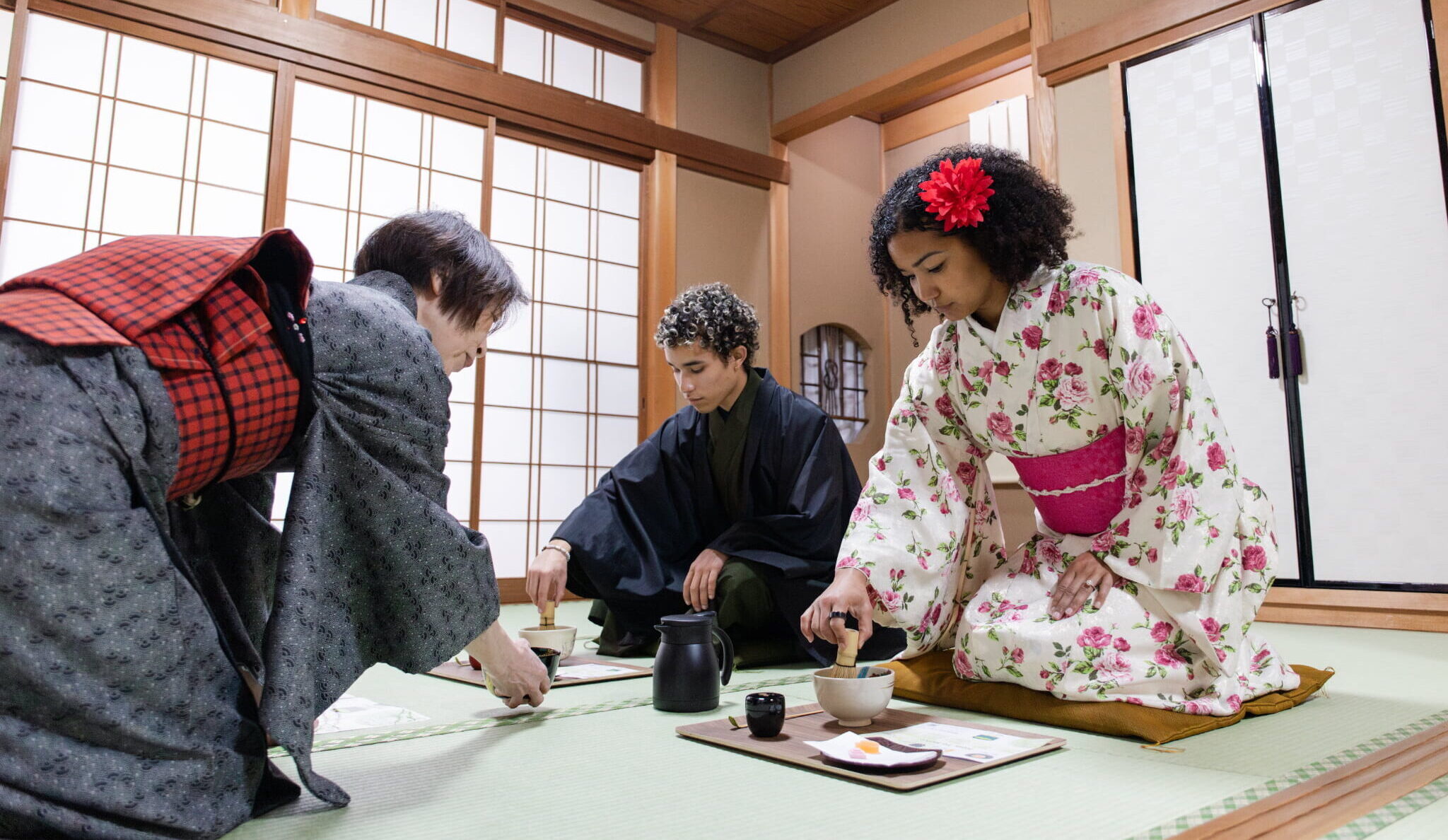
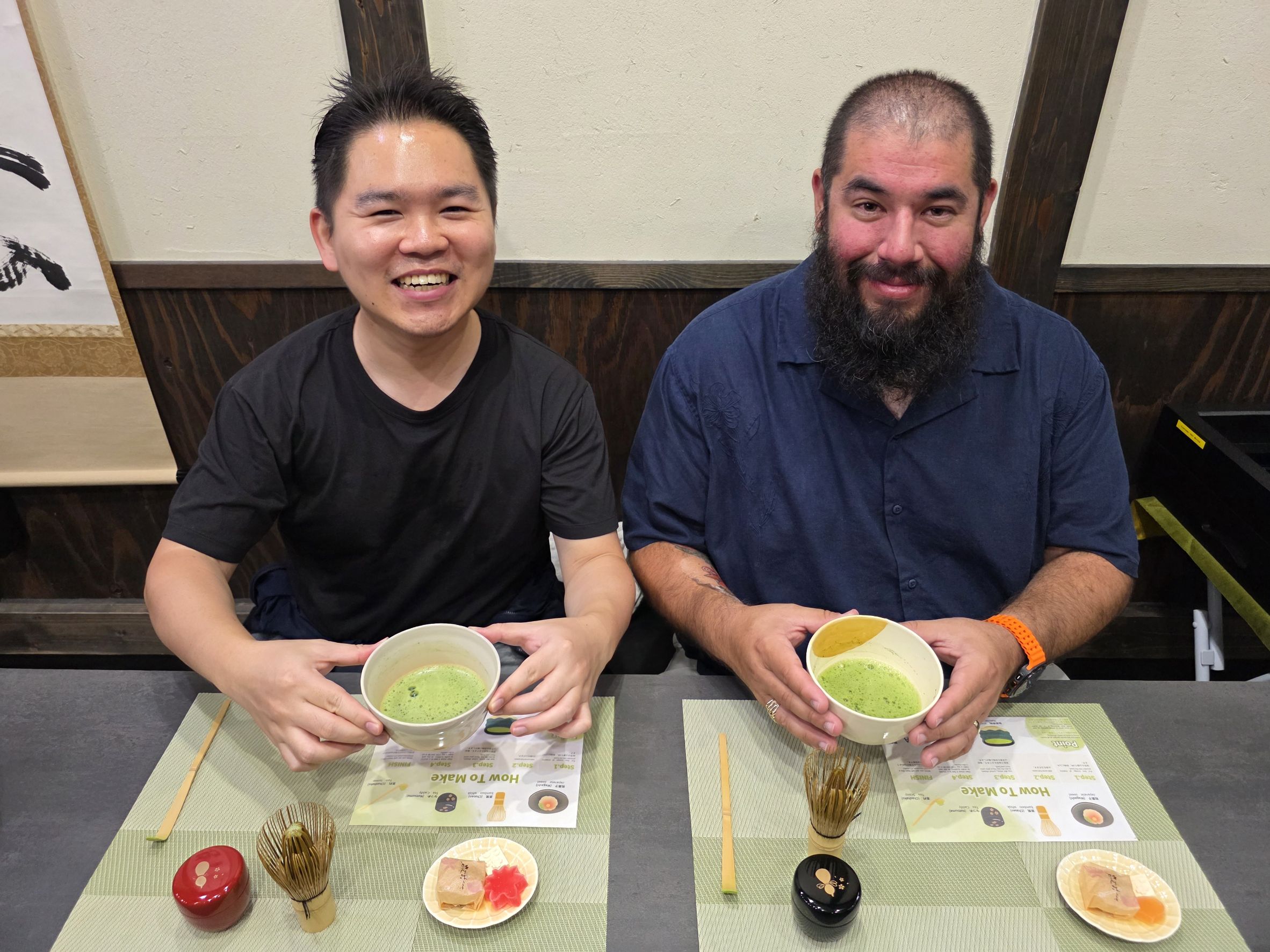
If you are traveling in Japan and joining a short tea ceremony experience, you usually do not need to prepare as if you were attending a formal chaji.
For most beginner-friendly experiences, keeping things simple is enough:
- Wear clean, comfortable clothing.
- You do not need to wear a kimono unless you want to.
- Avoid very strong perfume or fragrance.
- If you will handle valuable tea bowls, be ready to remove hard rings, watches, or bracelets if requested.
- If the experience takes place on tatami, follow the venue’s guidance about socks and footwear.
- Do not worry about knowing every traditional rule before you arrive.
Your host or instructor will guide you through the important steps.
After all, the point is to experience the culture—not to arrive already knowing everything about it.
What Should You Wear to a TIA Tea Ceremony?


At Kyoto Tea Ceremony & Matcha Making TIA, you do not need formal Japanese clothing to join.
Comfortable everyday clothing is fine.
TIA is designed as a short, beginner-friendly introduction to Japanese tea culture for international visitors.
No previous tea ceremony experience is necessary.
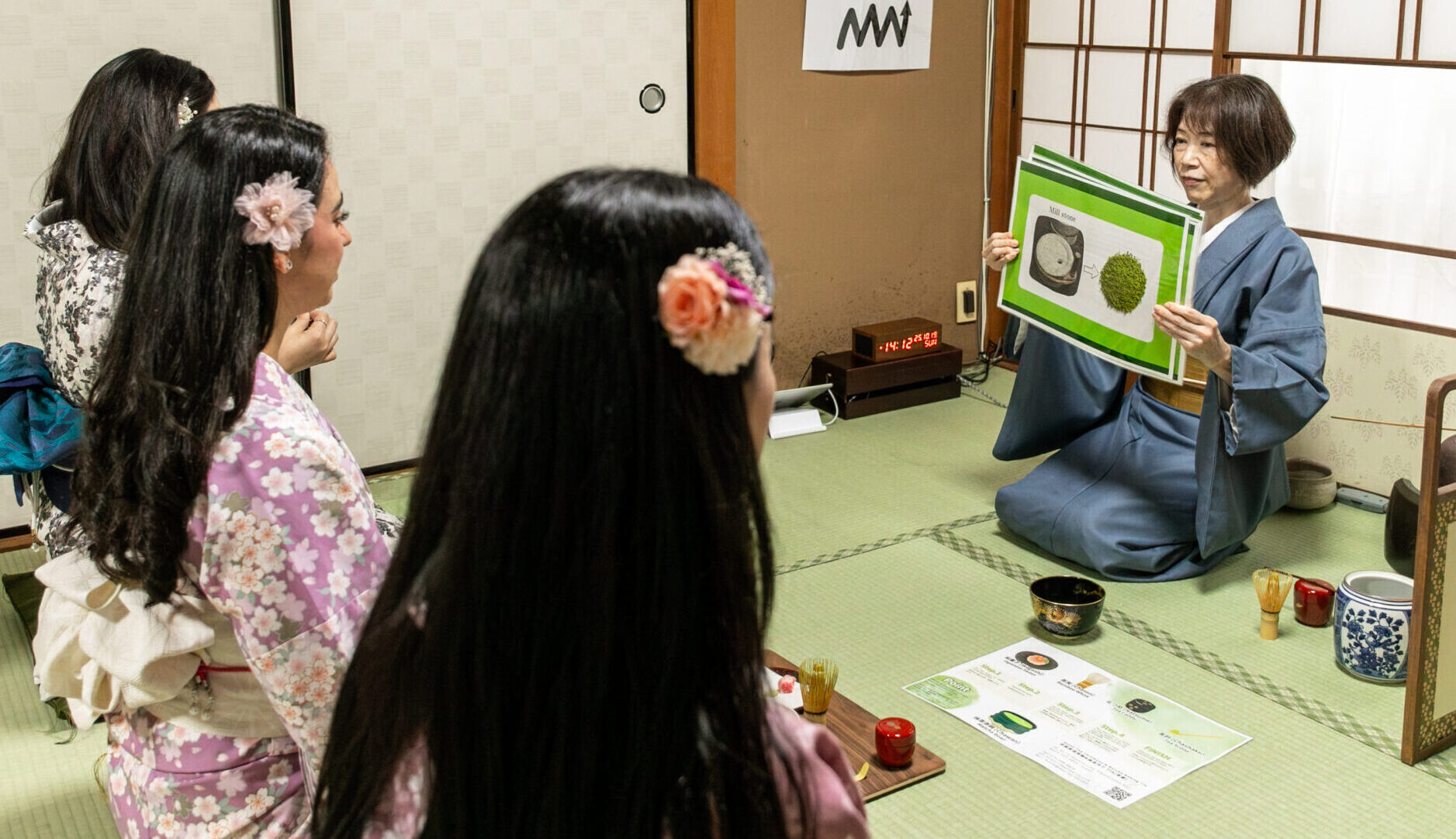
Your instructor explains everything step by step in English, introduces the tea utensils and customs, and guides you as you whisk your own bowl of matcha.
The experience takes approximately 20–30 minutes, so it is easy to fit into a day of sightseeing in Kyoto or Tokyo.
Traditional tea etiquette is interesting to learn about, but you do not need to memorize all of these rules before visiting TIA.
There is no need to dress formally—simply come ready to enjoy the experience and learn about the traditions as you go.
Experience Japanese Tea Culture for Yourself
Discover traditional tea utensils, learn simple tea etiquette, and whisk your own bowl of matcha in a relaxed, beginner-friendly experience with English guidance.