

Matcha is one of Japan’s most recognizable foods today.
You can find it in matcha lattes, ice cream, cakes, chocolate, and desserts around the world.
But long before matcha became an international trend, it played an important role in Japanese tea ceremony.
So, what exactly is matcha?
Is it simply powdered green tea?
Why is it whisked instead of steeped?
And why is matcha so closely connected with Kyoto and Japanese culture?
In this beginner-friendly guide, we explain how matcha is made, how it differs from ordinary green tea, the tools traditionally used to prepare it, and why drinking a bowl of matcha during a Japanese tea ceremony is very different from ordering a matcha latte at a café.
What Is Matcha? — Quick Answer
Matcha is a finely powdered Japanese green tea traditionally prepared by whisking the powder with hot water.
Unlike most green teas, the leaves are not removed after brewing—you drink the tea leaf itself in powdered form.
Matcha is also the tea traditionally used in Japanese tea ceremony.
In This Guide
What Is Matcha?
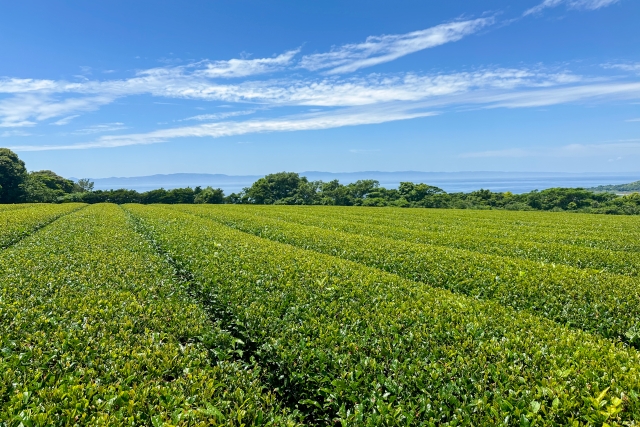
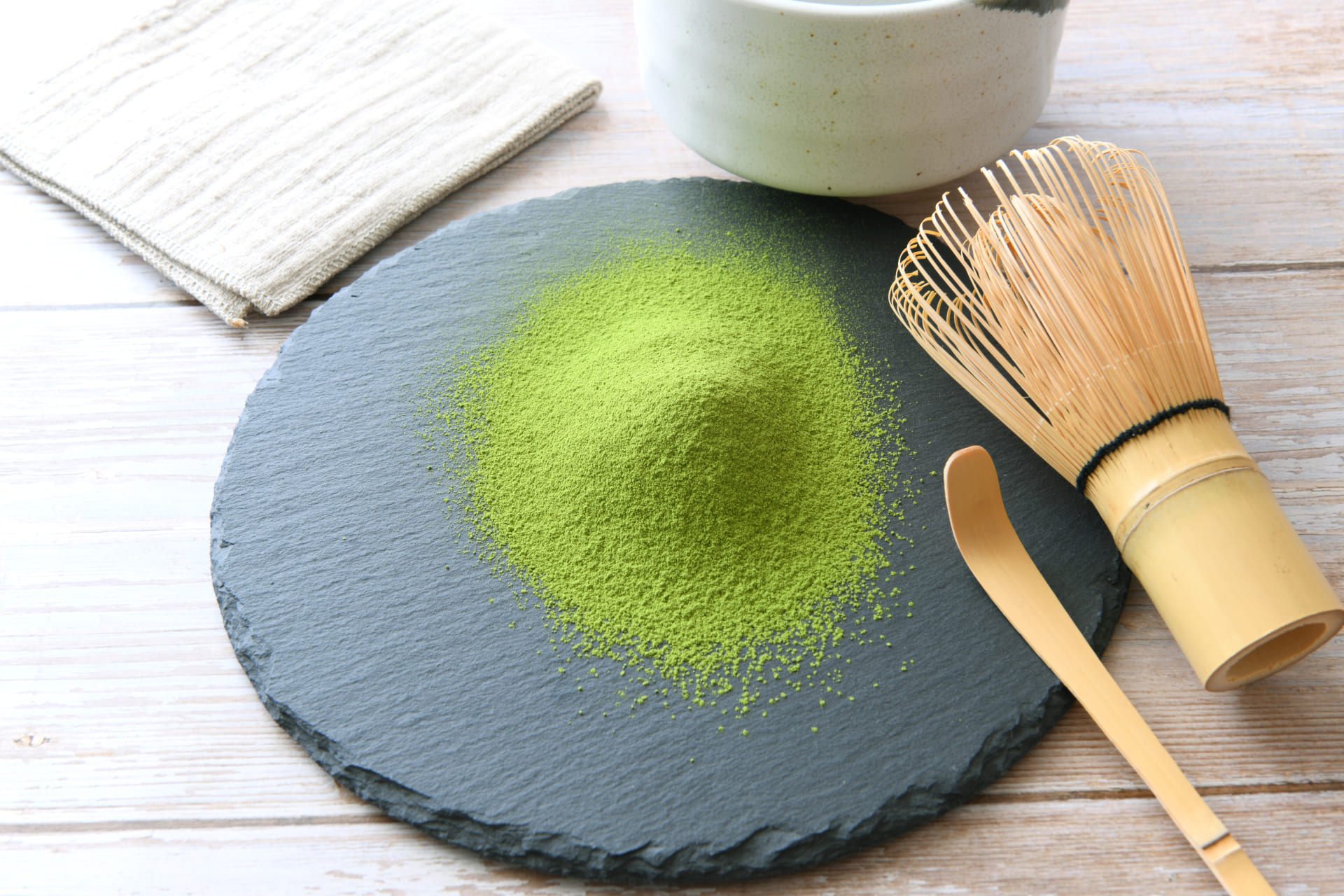
Matcha (抹茶) is a type of Japanese green tea made by grinding specially prepared tea leaves into a very fine powder.
This is one of the most important differences between matcha and ordinary brewed tea.
When you prepare sencha or many other types of green tea, tea leaves are steeped in hot water and then removed.
With matcha, the powdered tea remains in the bowl and is whisked directly into the water.
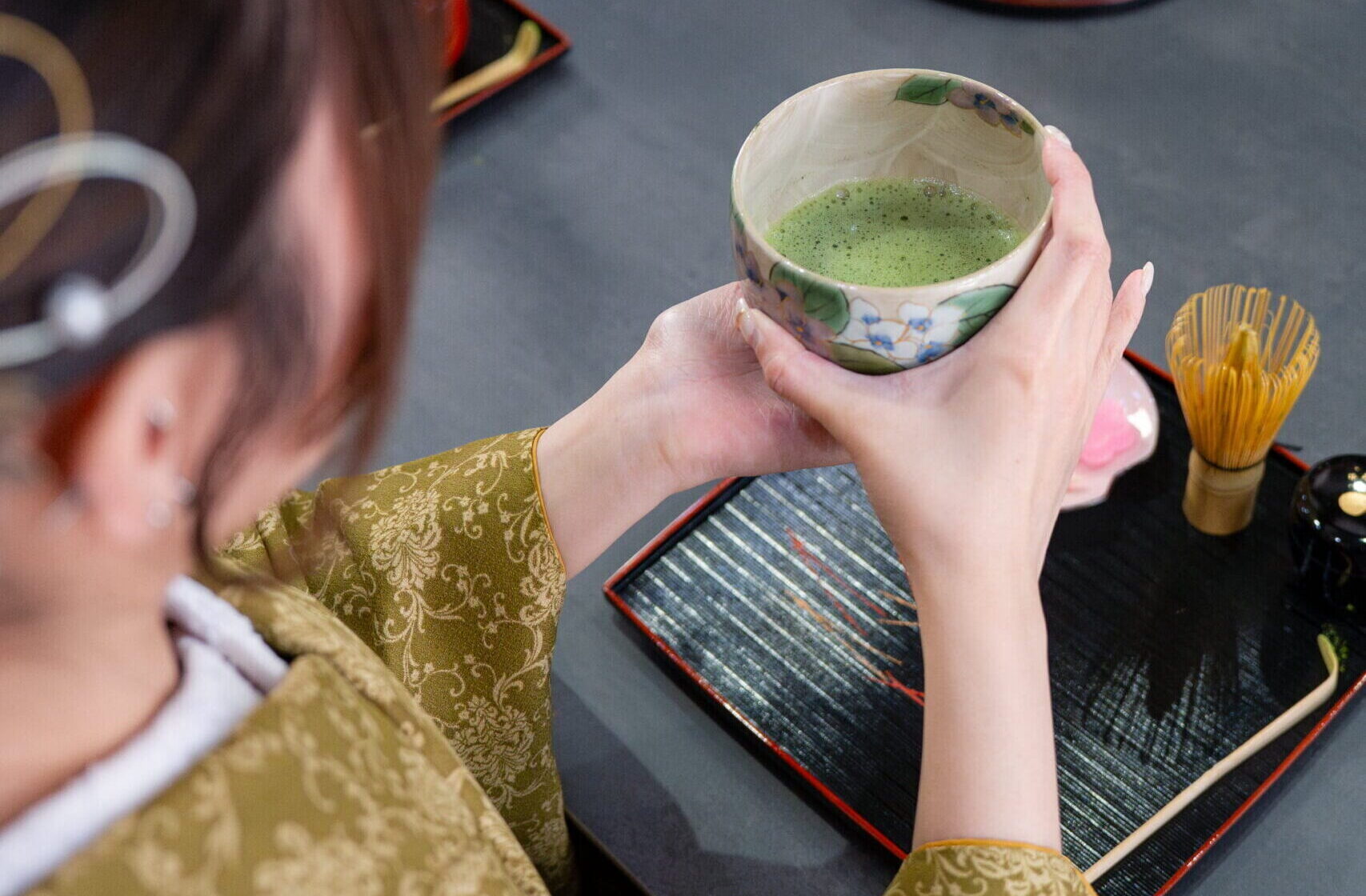
The result is a tea with a distinctive green color, rich aroma, smooth texture, and a flavor that may combine sweetness, umami, gentle bitterness, and astringency depending on the matcha.
In Japan, matcha is especially associated with chanoyu, sadō, or chadō—terms used for the Japanese Way of Tea.
How Is Japanese Matcha Made?
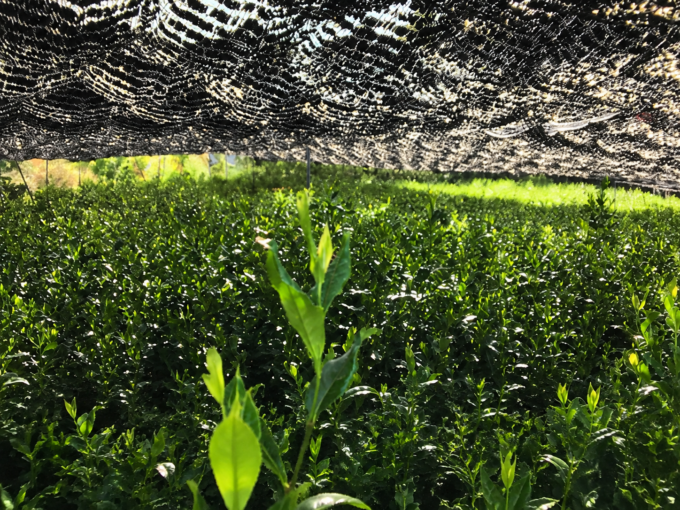
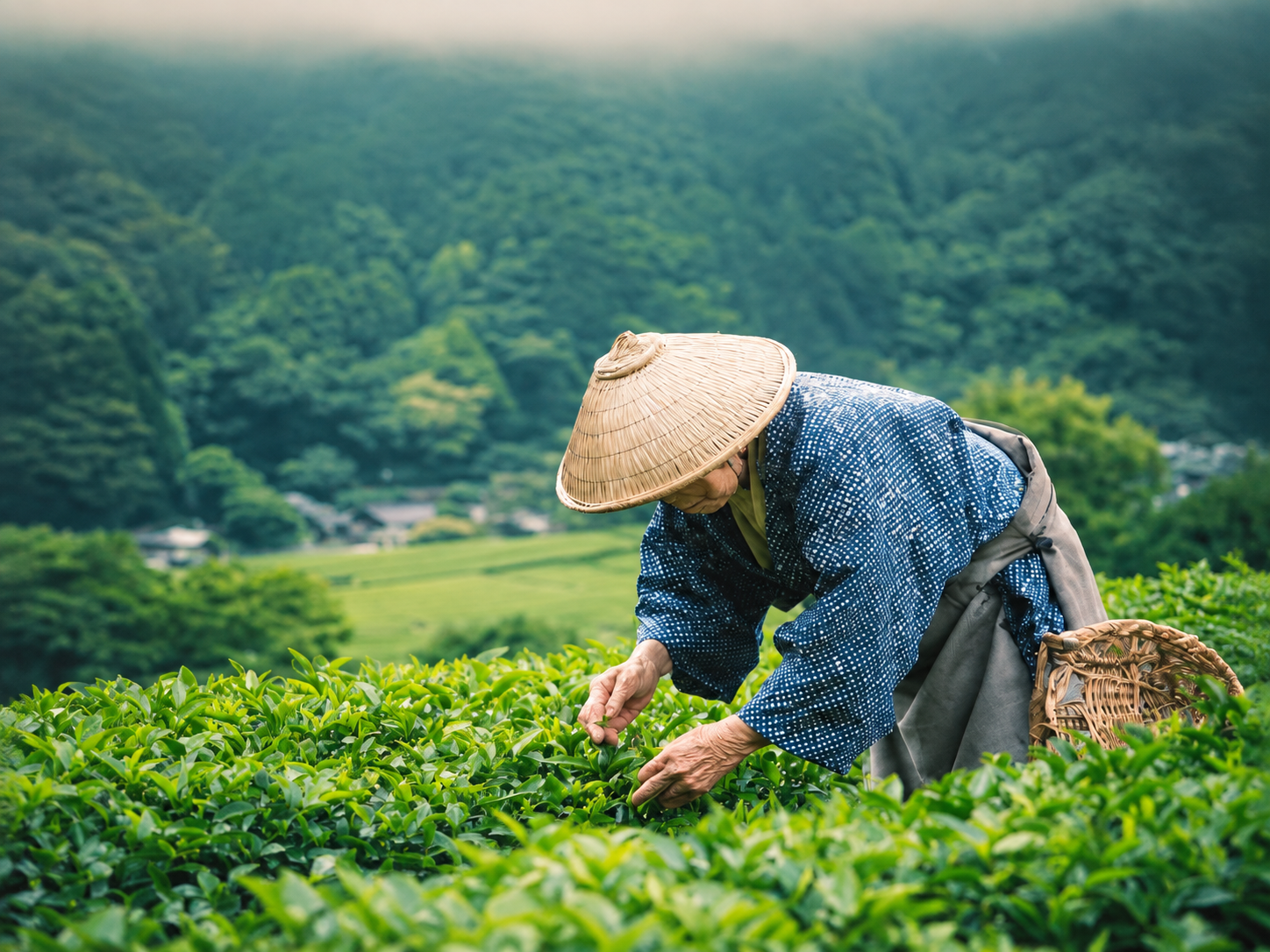
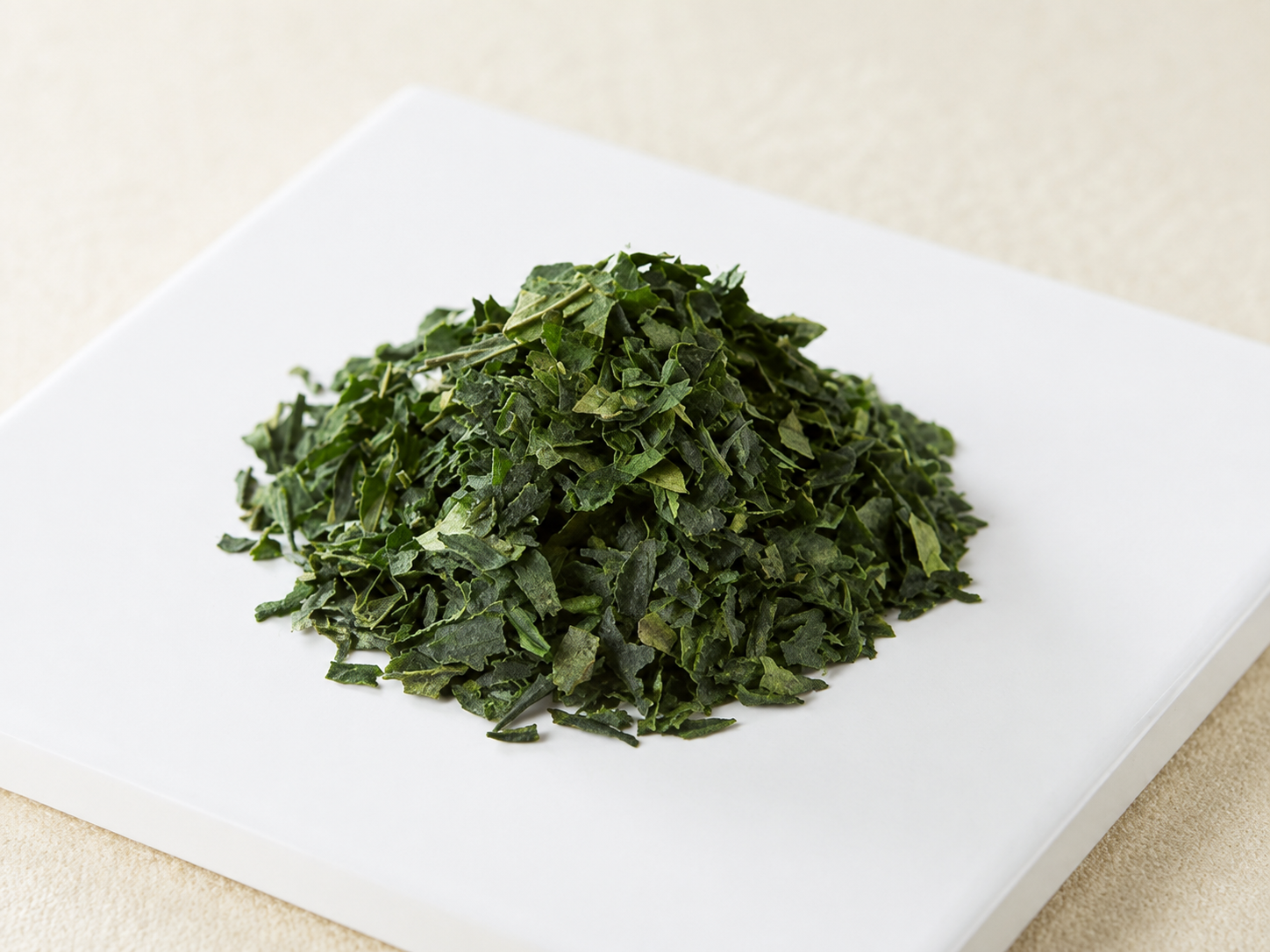
Matcha does not begin as ordinary green tea powder.
Its production starts in the tea field.
Tea plants intended for matcha are traditionally shaded from direct sunlight for a period before harvest.
After harvesting, the leaves are steamed to stop oxidation and then dried without being rolled in the same way as many other Japanese green teas.
The resulting tea is called tencha.
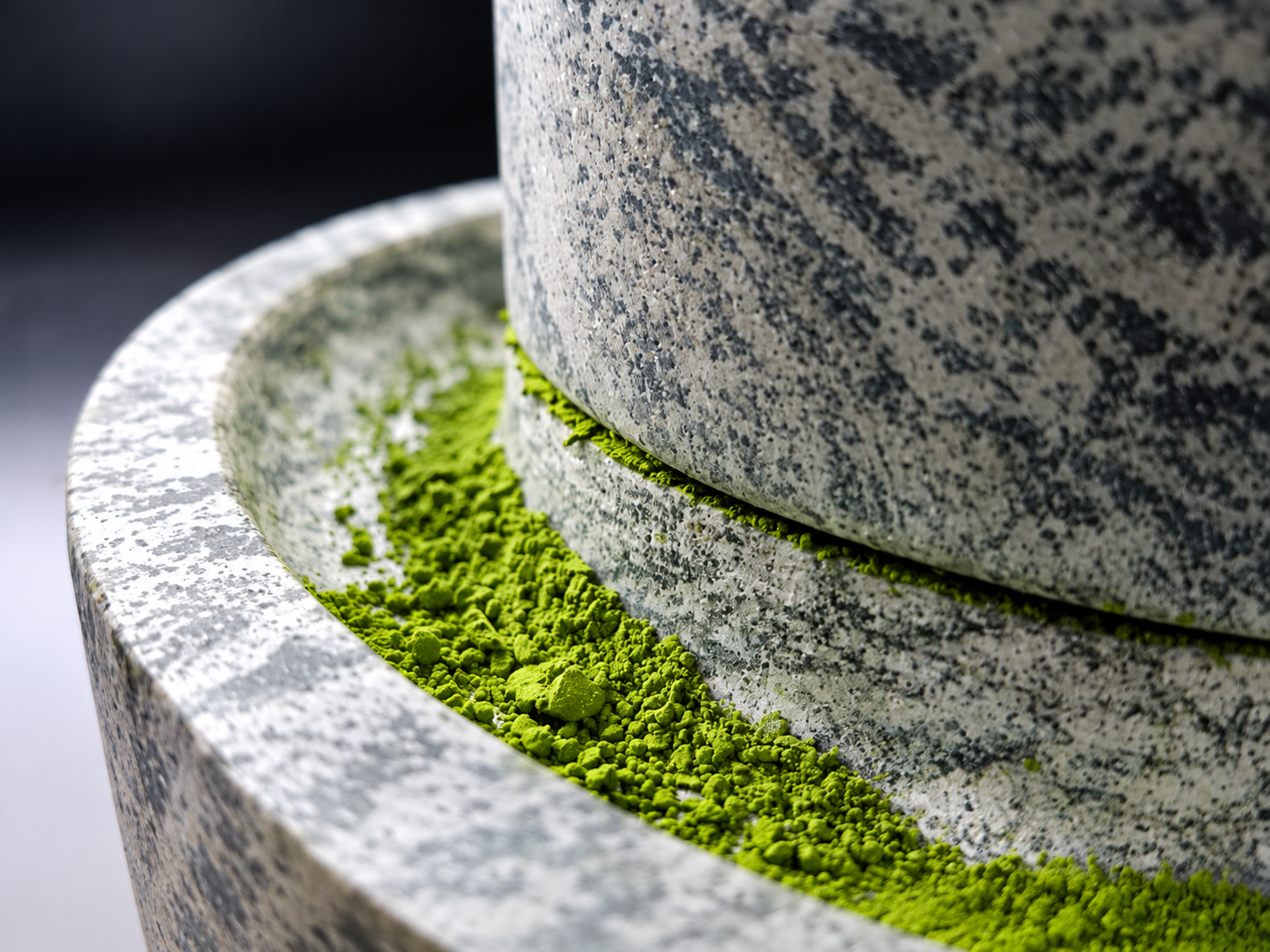
After stems and unwanted parts are removed, tencha is ground into an extremely fine powder to create matcha.
Traditionally, stone mills are associated with the slow grinding of tencha into matcha.
The resulting powder is fine enough to disperse through the water when whisked.
Matcha vocabulary:
Tea plant → shaded tea leaves → tencha → finely ground powder → matcha
Matcha vs. Green Tea: What Is the Difference?
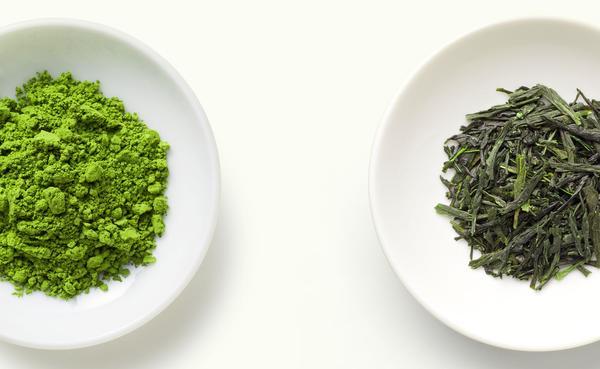
A common question is whether matcha and green tea are the same thing.
The easiest answer is that matcha is a type of green tea, but not all green tea is matcha.
Japanese green tea includes many different styles, such as sencha, gyokuro, hojicha, genmaicha, and matcha.
Their cultivation, processing, appearance, taste, and preparation methods are different.
| Comparison | Matcha | Sencha |
|---|---|---|
| Form | Fine powder | Whole tea leaves |
| Preparation | Whisked directly with hot water | Steeped in hot water |
| Tea Leaves | Consumed in powdered form | Removed after brewing |
| Main Tool | Chasen (bamboo whisk) | Kyusu (Japanese teapot) |
| Tea Ceremony | Traditionally used | Not normally used for matcha tea ceremony |
So while both matcha and sencha belong to the world of Japanese green tea, drinking them can feel like two very different experiences.
Why Is Matcha Used in Japanese Tea Ceremony?
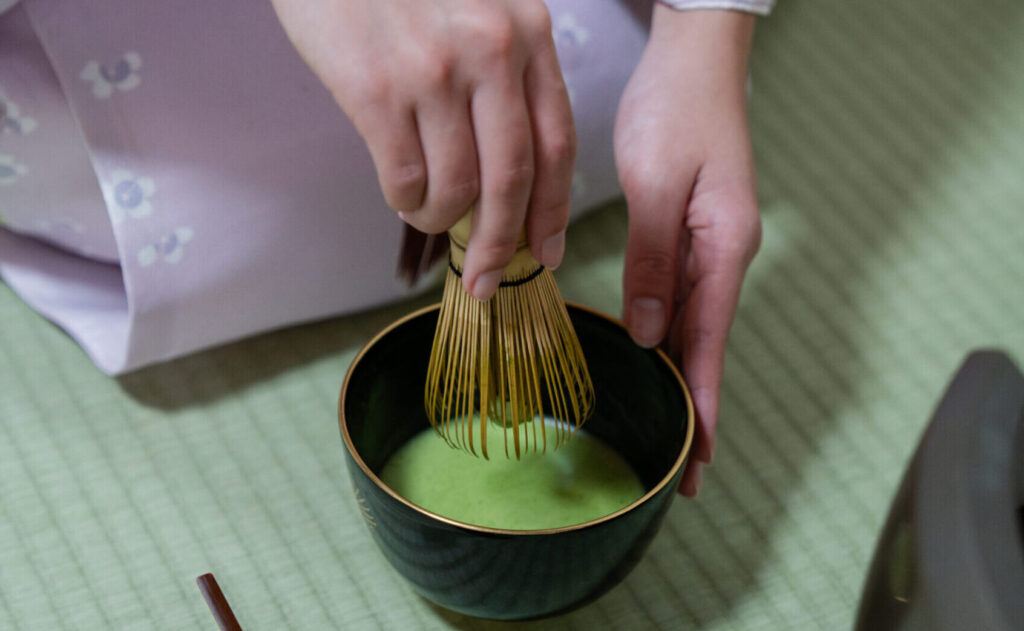
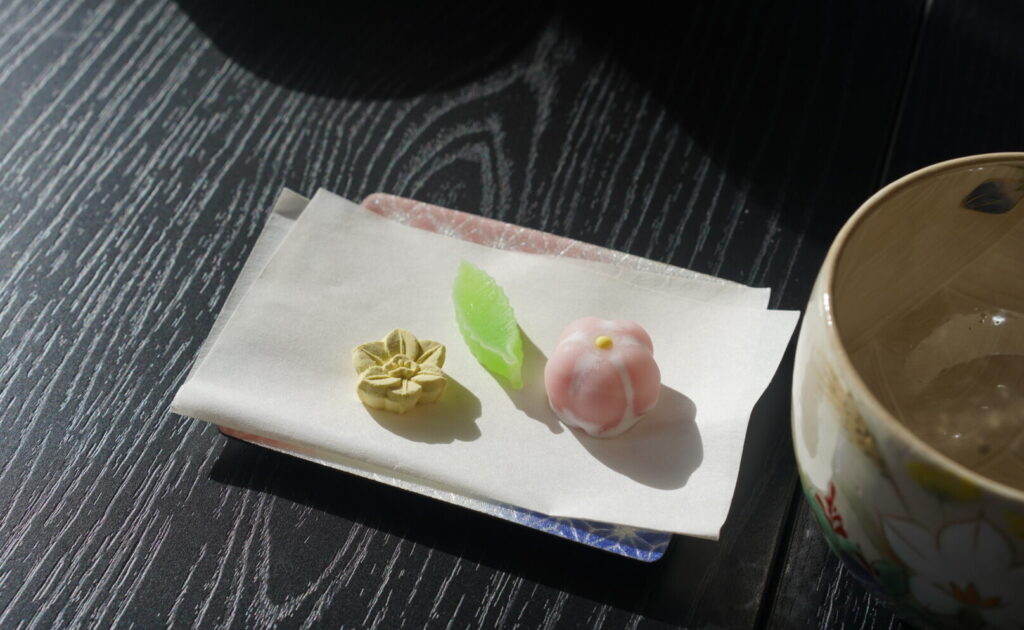
Matcha is closely connected with Japanese tea ceremony because preparing the tea itself became part of a larger cultural practice.
Japanese tea ceremony is not simply about producing the best-tasting drink as quickly as possible.
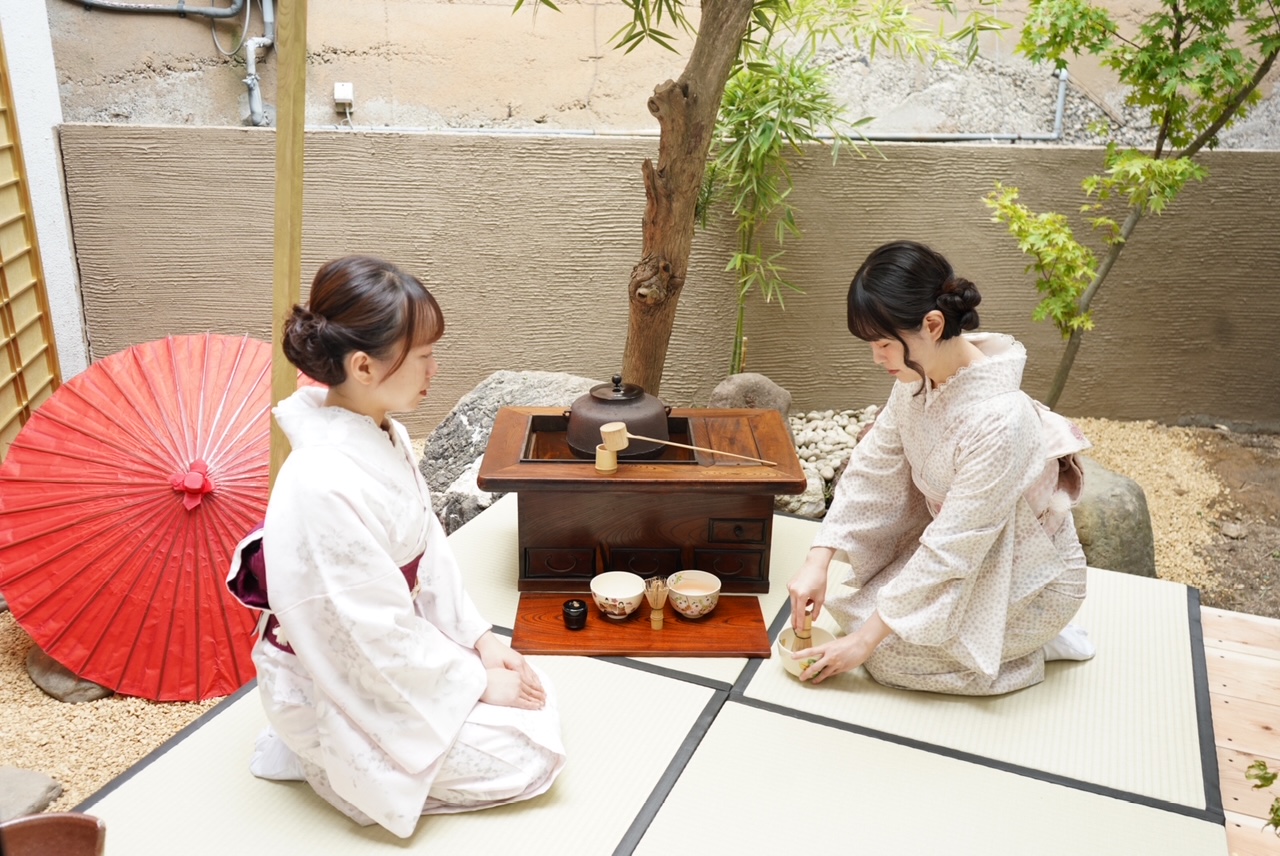
It gives attention to the relationship between host and guest, the utensils, the season, the tea room, and each movement used to prepare and receive the tea.
The preparation of a single bowl of matcha becomes an opportunity to slow down and pay attention.
The host carefully prepares the utensils and tea.
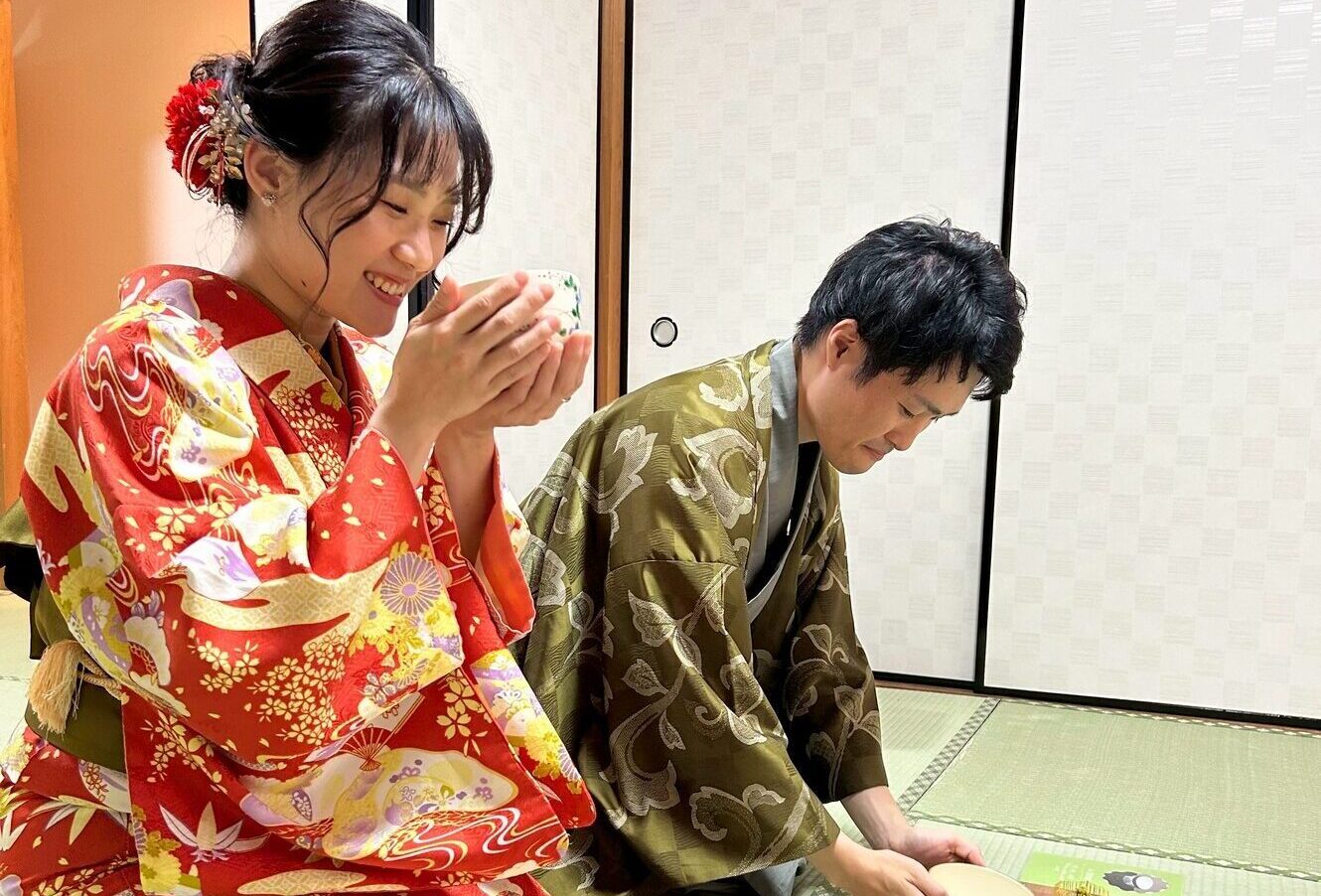
The guest receives the bowl with appreciation.
The bowl itself may have been chosen for the season or occasion.
A Japanese sweet may reflect flowers, colors, or imagery associated with that particular time of year.
This is one reason a bowl of matcha in a tea ceremony can feel very different from drinking matcha in everyday life.
The drink is important, but the experience surrounding the drink is important too.
Traditional Tools Used to Make Matcha
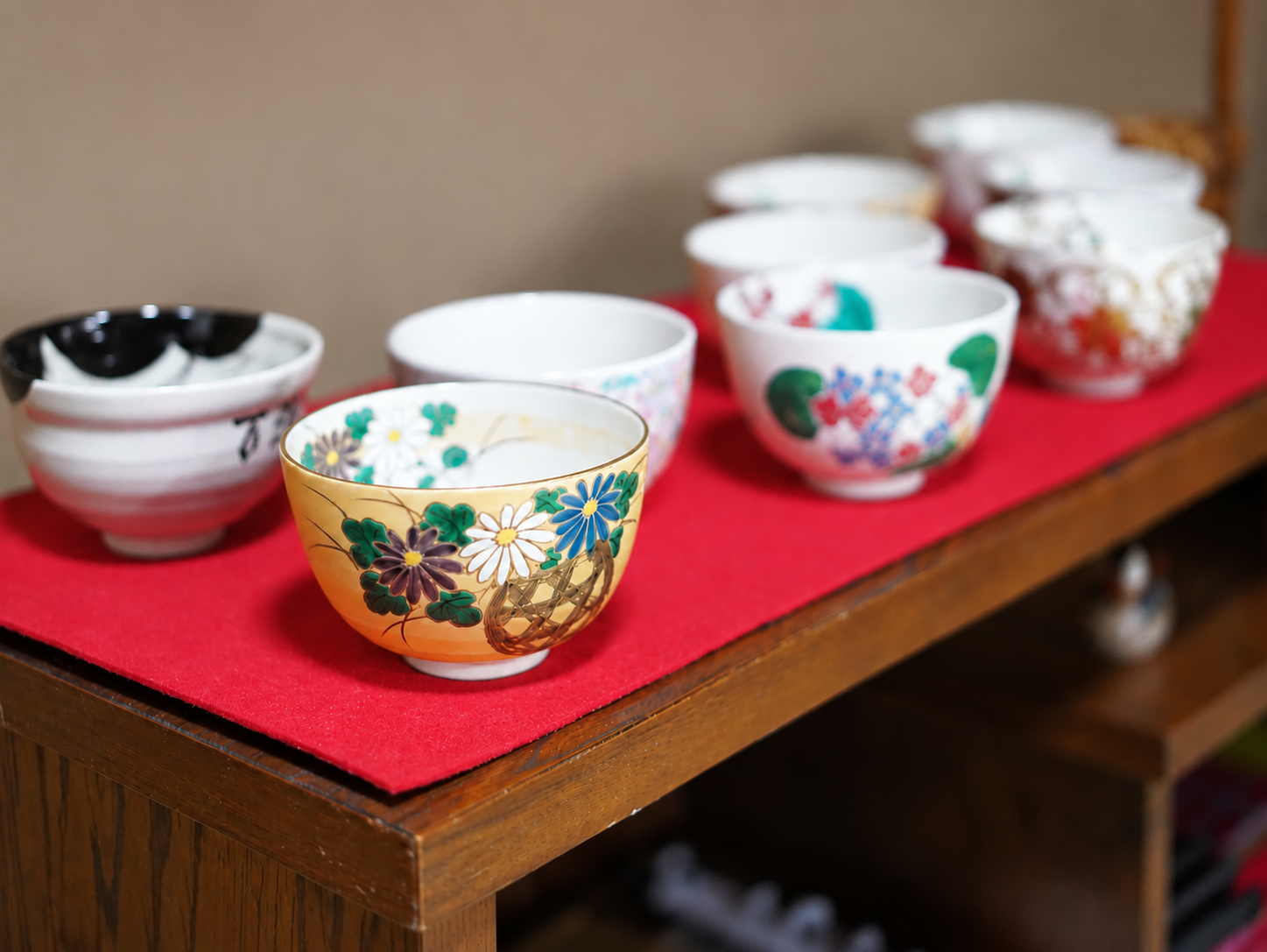
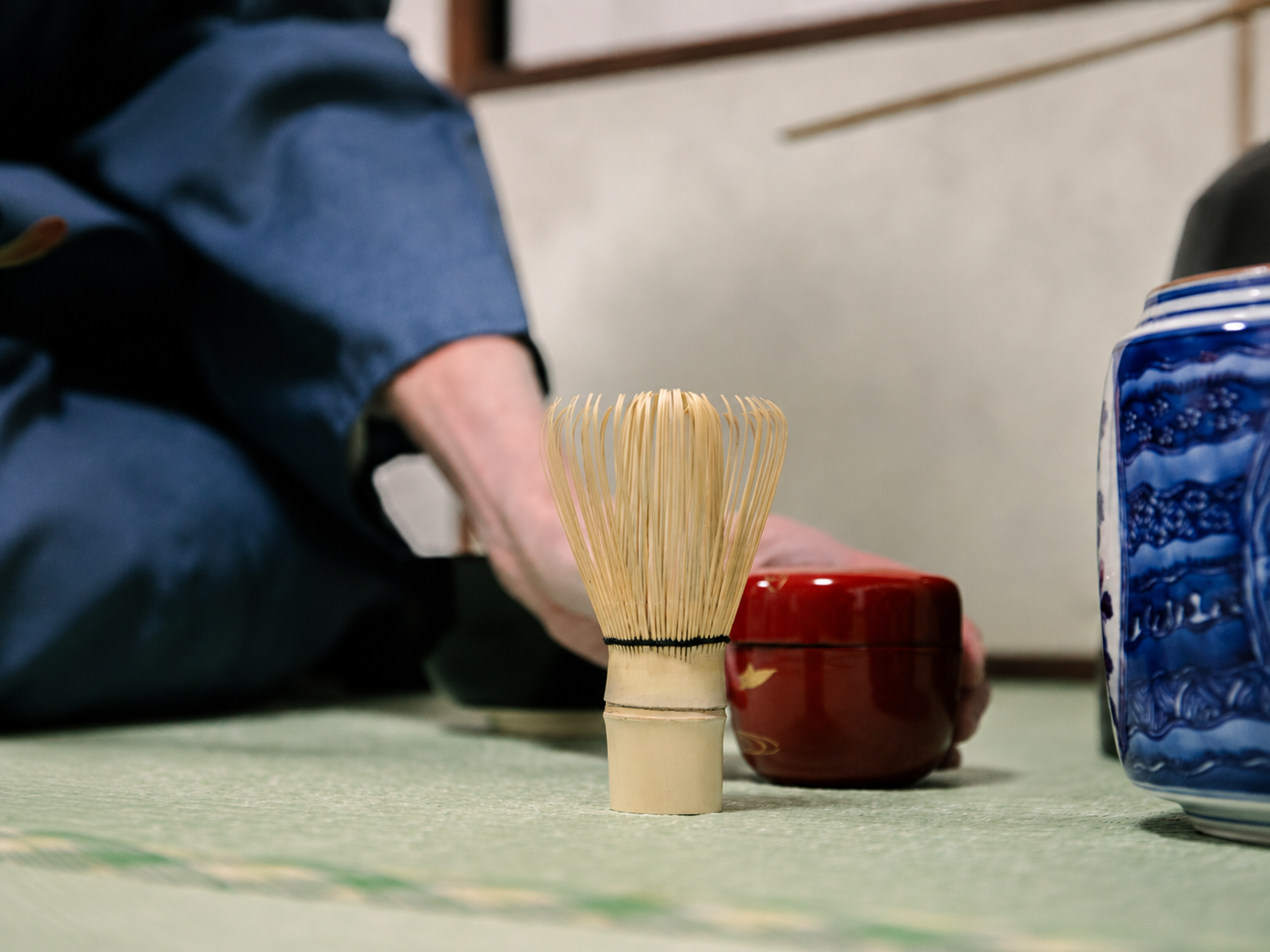
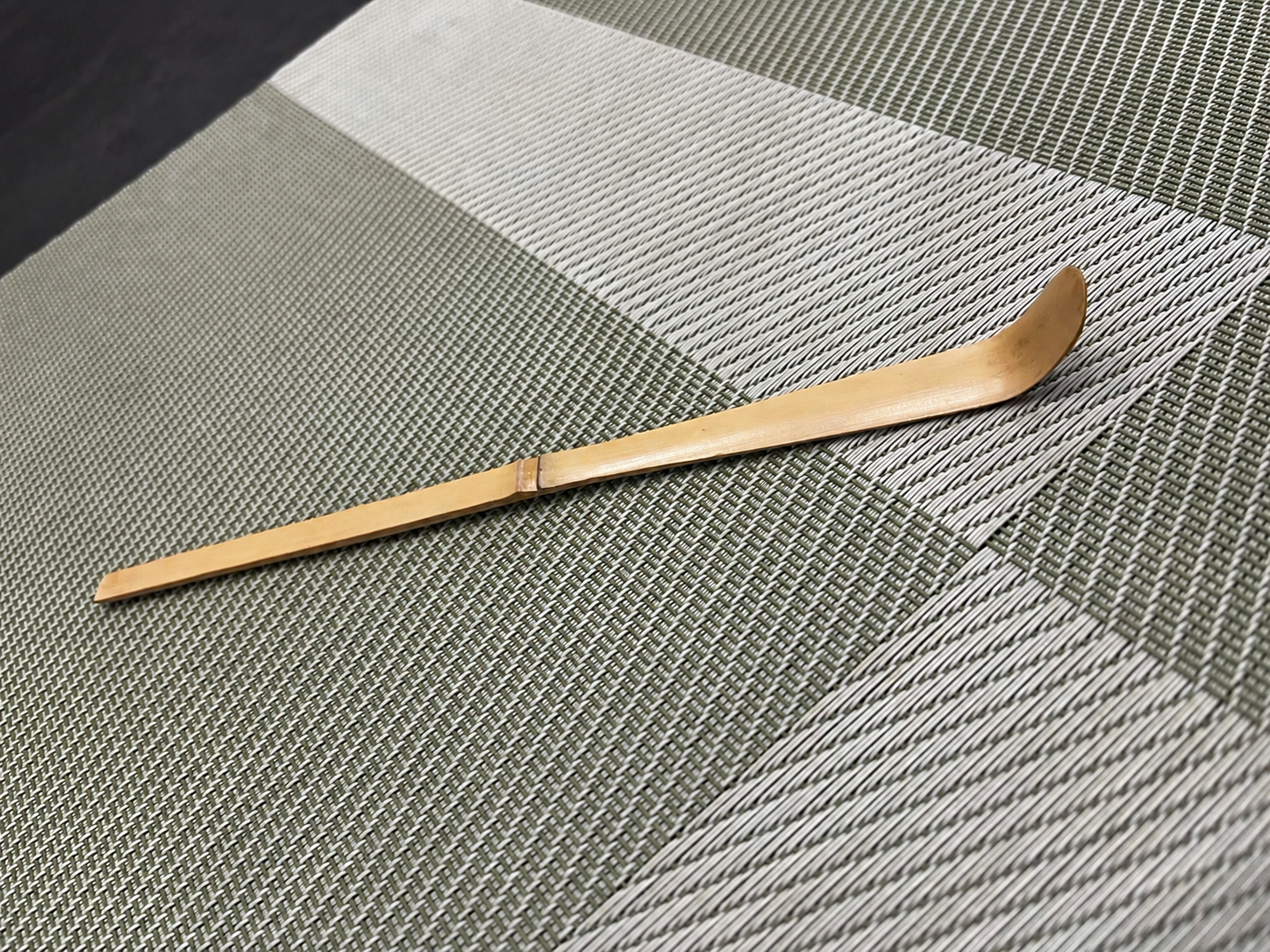
One of the most interesting parts of a Japanese tea ceremony is the collection of specialized utensils used to prepare and serve matcha.
Chawan (茶碗) — Matcha Tea Bowl
The chawan is the bowl used to prepare and drink matcha.
Tea bowls come in many shapes, colors, textures, and styles.
In tea ceremony, the bowl is not simply a container.
Guests are encouraged to notice and appreciate the craftsmanship and character of the chawan.
Chasen (茶筅) — Bamboo Whisk
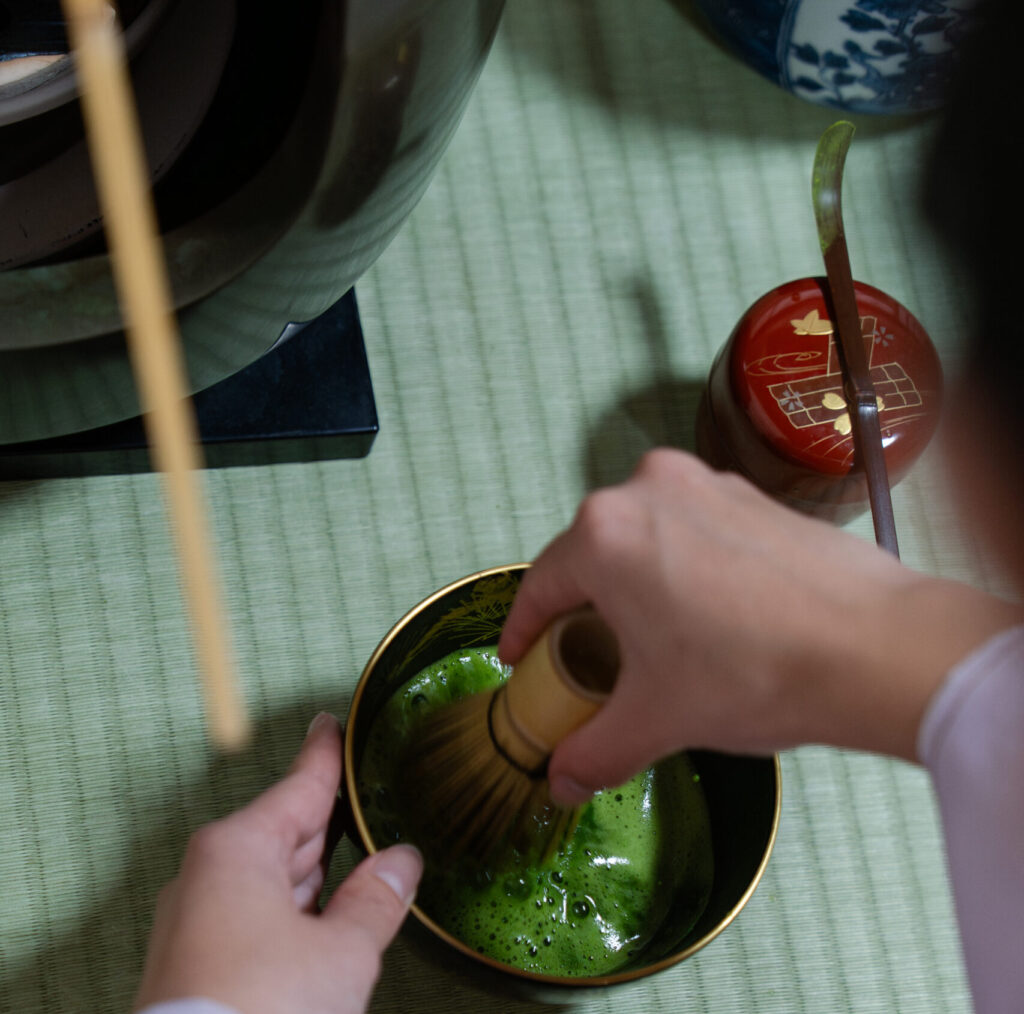
The chasen is the traditional bamboo whisk used to mix matcha with hot water.
Its many fine bamboo tines help disperse the matcha powder through the water.
Learning to use a chasen is also one of the most enjoyable parts of a hands-on matcha experience.
Chashaku (茶杓) — Bamboo Tea Scoop
A chashaku is a slender scoop traditionally made from bamboo.
It is used to transfer matcha powder into the tea bowl.
Natsume (棗) — Tea Caddy
A natsume is a small container traditionally used to hold matcha for the preparation of thin tea.
Many are beautifully lacquered and can become an important visual element of the tea setting.
Want to See These Tools in Person?
At TIA, your instructor introduces Japanese tea culture and guides you step by step as you prepare your own bowl of matcha.
How Is Matcha Traditionally Prepared?
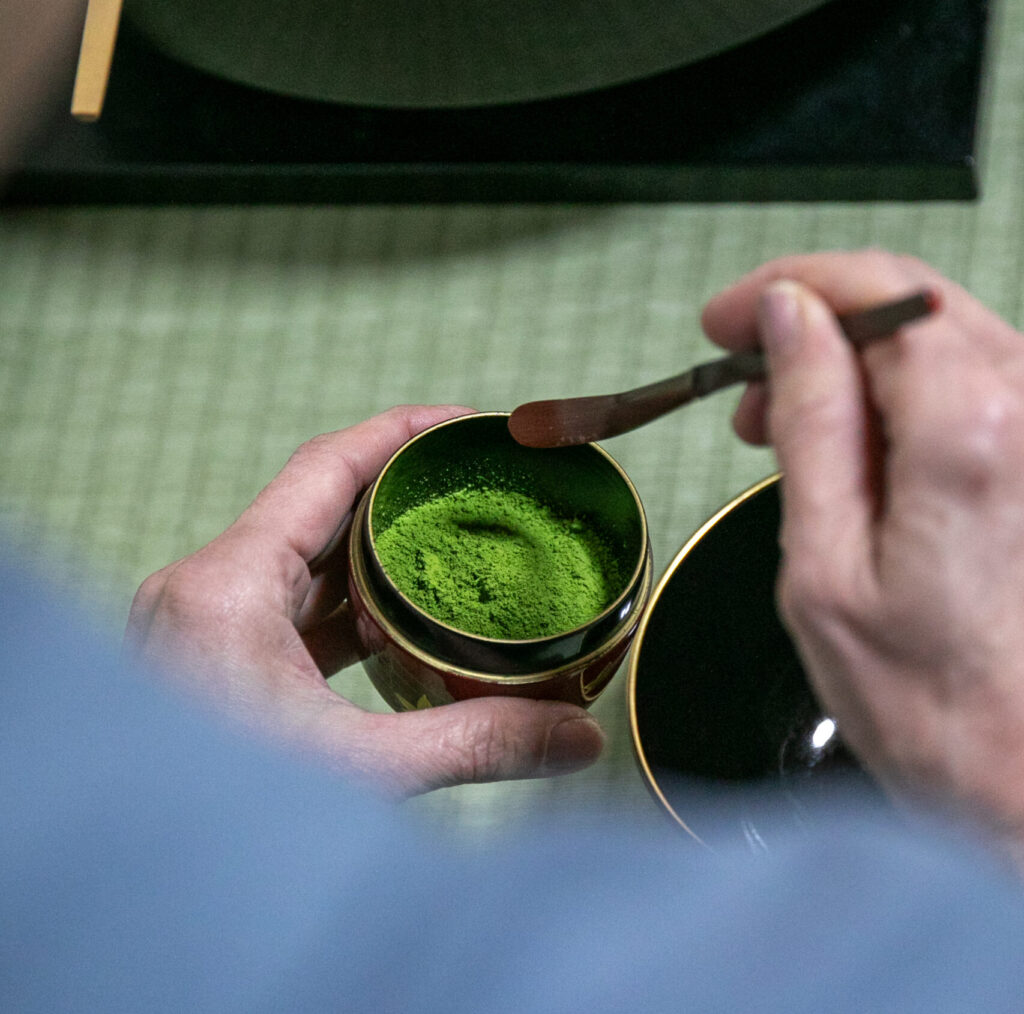
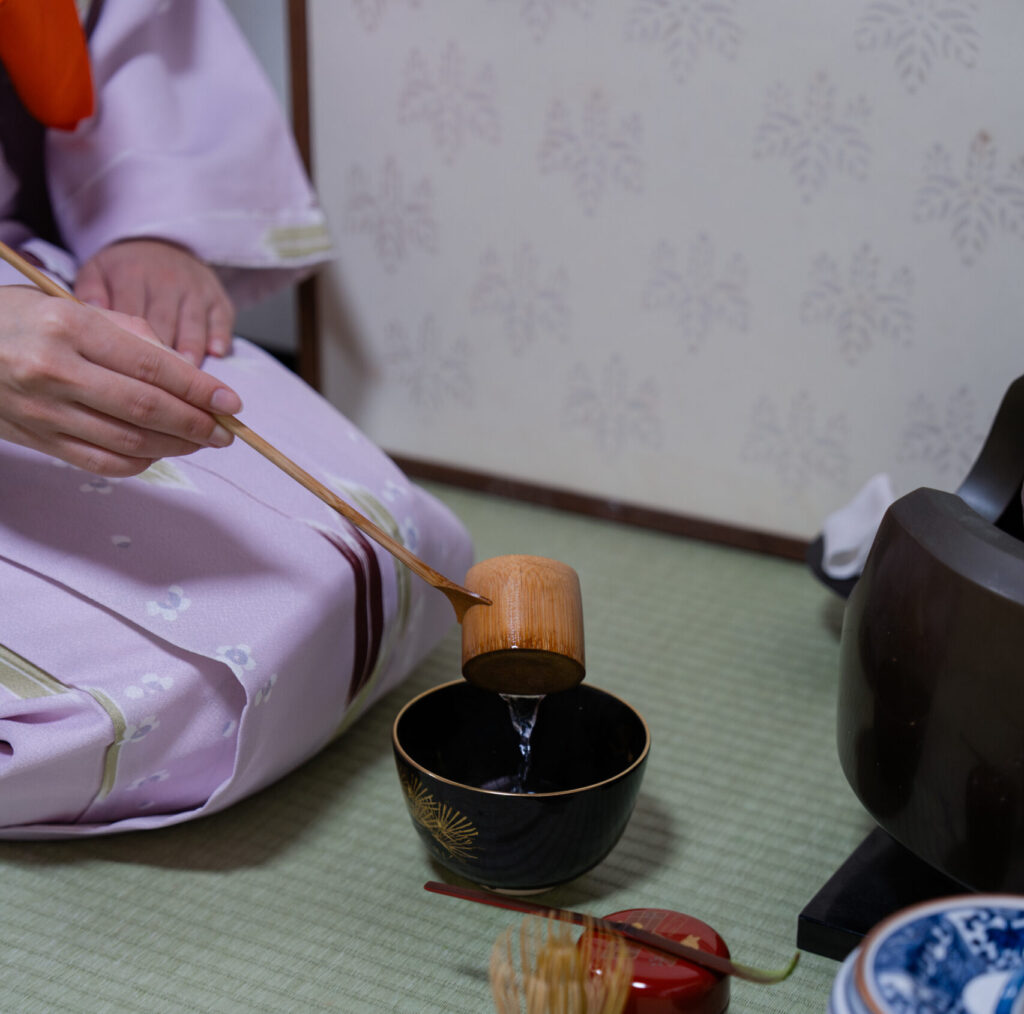
Matcha is not steeped in a teapot.
Instead, the powder is placed directly into a tea bowl and combined with hot water.
The tea is then whisked using a bamboo chasen.
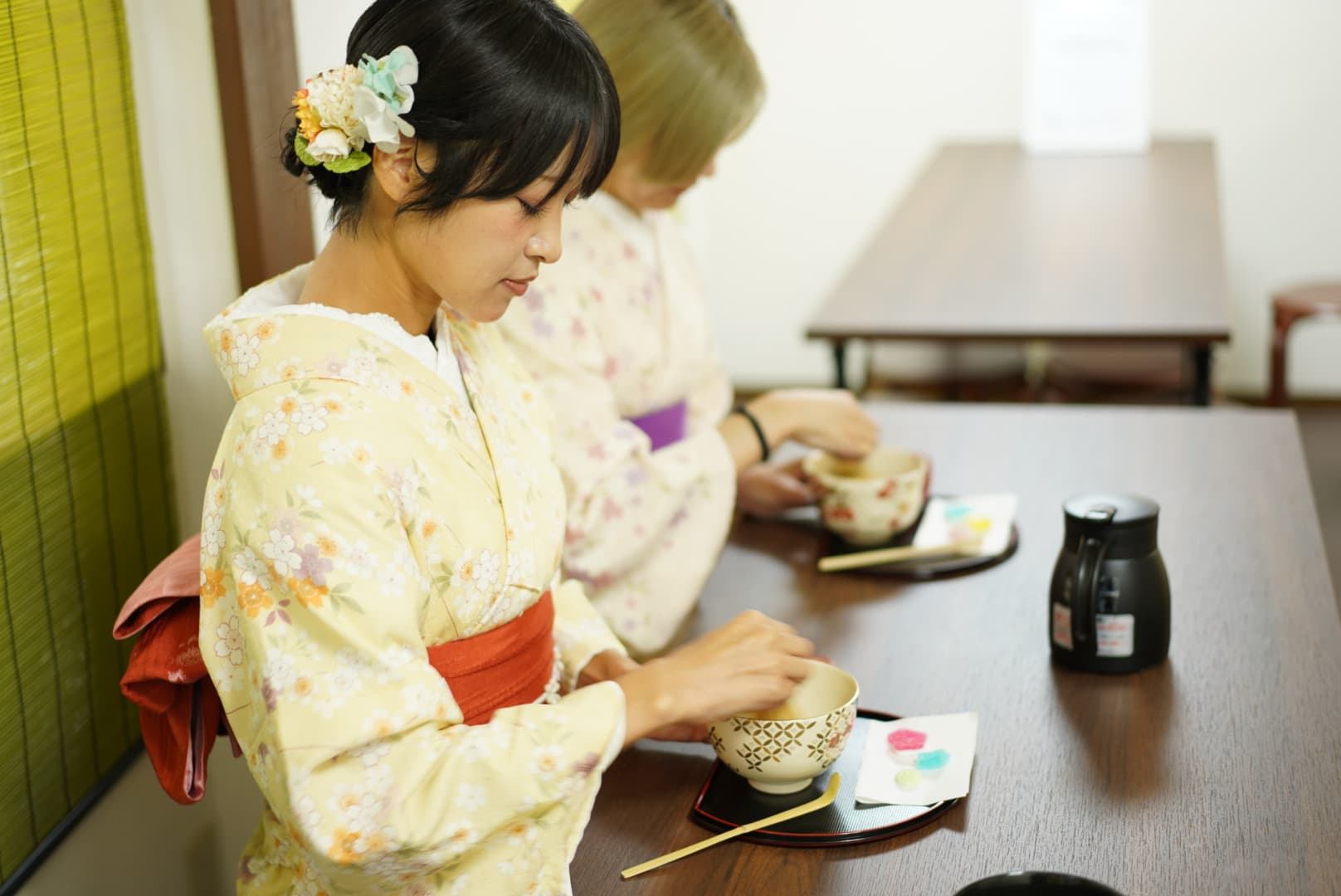
For the lighter style of tea commonly introduced to beginners, the whisk is moved quickly through the water until the matcha is evenly mixed.
The exact technique can vary depending on the school and style of tea ceremony, so there is no need for a first-time visitor to memorize a complicated whisking method before attending.
At a beginner-friendly tea ceremony, the instructor can demonstrate how to hold and move the chasen before you try it yourself.
A simple matcha-making experience usually involves:
- Adding matcha to the chawan
- Adding hot water
- Whisking with a chasen
- Enjoying the matcha with Japanese sweets
The movements look simple, but using a real bamboo whisk and preparing your own bowl is often more satisfying than people expect.
Why Is Matcha Served with Wagashi?
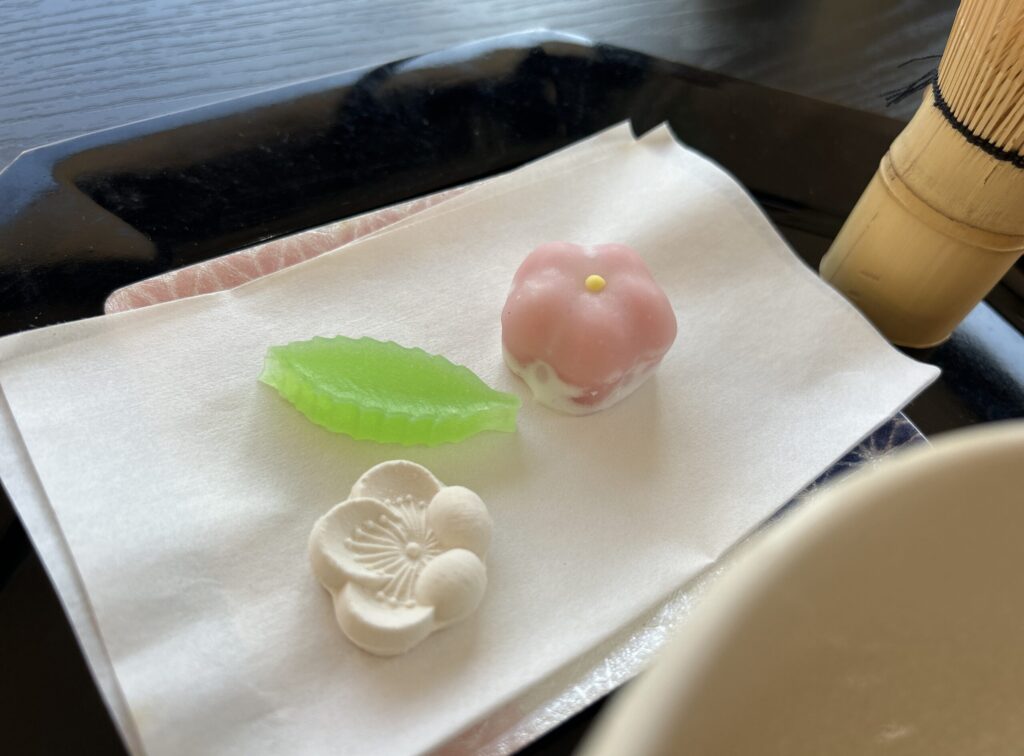
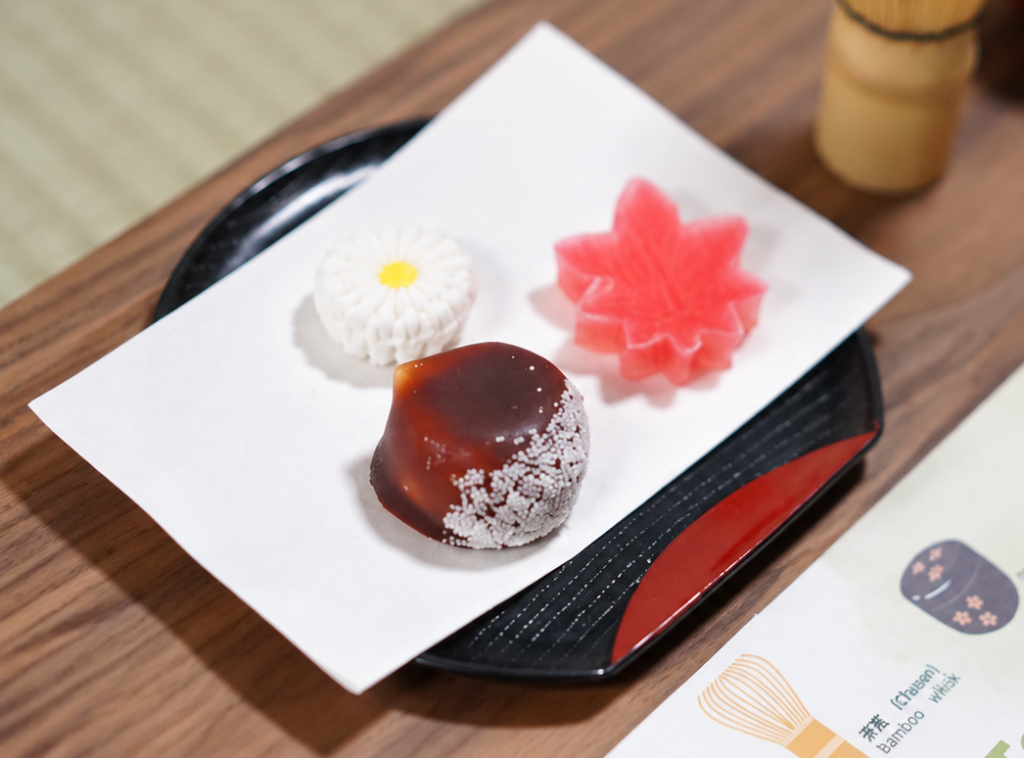
Matcha is often served together with a traditional Japanese sweet called wagashi.
In tea ceremony, the sweet is generally enjoyed before drinking the matcha.
The sweetness creates a pleasant contrast with the deeper, slightly bitter character of the tea.
Wagashi also brings another element of Japanese culture into the tea room: the seasons.
The color, shape, and design of Japanese sweets may be inspired by cherry blossoms in spring, fresh green leaves in early summer, autumn foliage, winter snow, flowers, festivals, or other seasonal imagery.
This attention to seasonality is an important part of Japanese aesthetics and helps make each tea gathering feel connected to a particular moment in time.
Why Are Kyoto and Matcha So Closely Connected?
For many travelers, Kyoto is one of the best places to discover traditional Japanese tea culture.
Tea culture developed deeply in Kyoto over many centuries, and the southern part of Kyoto Prefecture—including the Uji area—is particularly famous for Japanese tea.
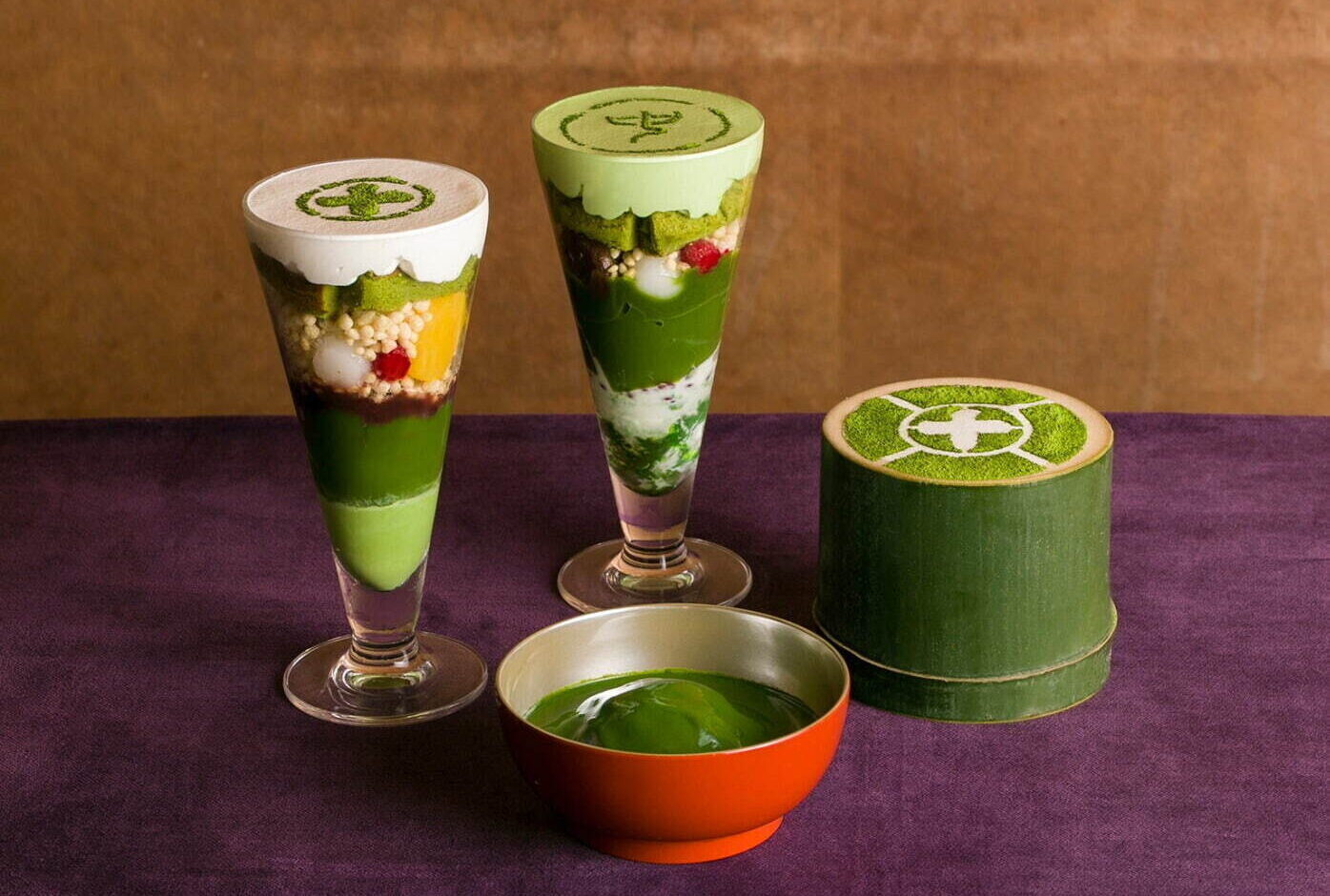
Today, visitors to Kyoto encounter matcha everywhere: in traditional tea houses, modern cafés, confectionery shops, temples, souvenir stores, and cultural experiences.
But drinking a matcha latte and participating in a tea ceremony show two very different sides of the same ingredient.
A café introduces matcha as a flavor.
A tea ceremony introduces matcha as part of Japanese culture.
Experiencing both during your Kyoto trip can make it easier to understand why this simple green powder has remained so important in Japan.
Experience Matcha and Japanese Tea Ceremony in Kyoto

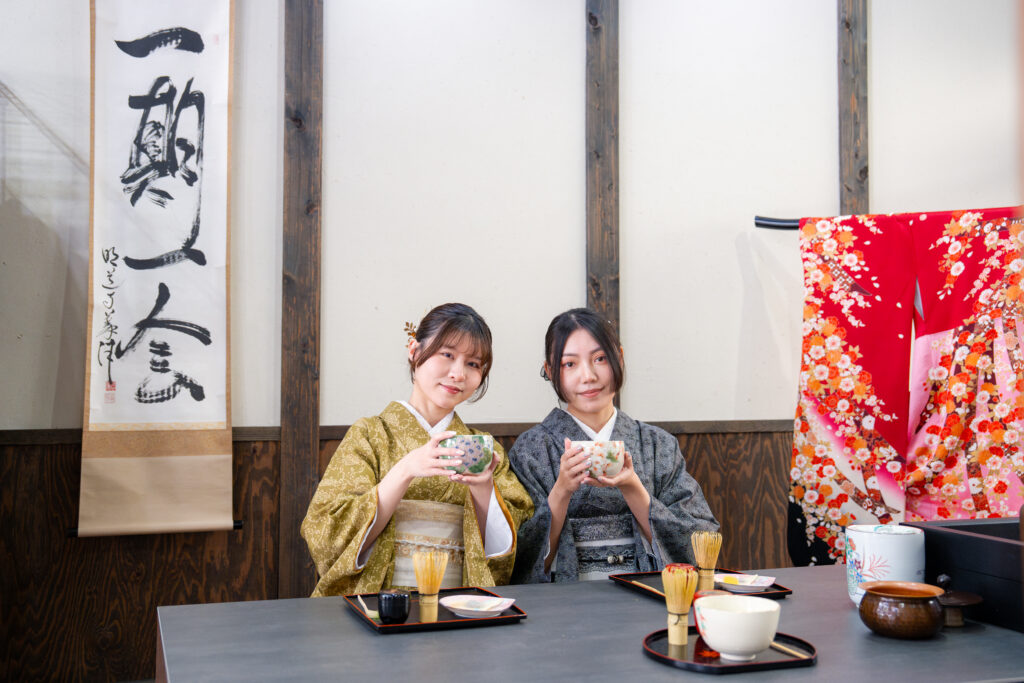


Reading about matcha is useful, but the easiest way to understand it is to prepare a bowl yourself.
At Kyoto Tea Ceremony & Matcha Making TIA, first-time visitors can experience Japanese tea culture in a relaxed and approachable setting.
The experience takes approximately 20–30 minutes and is designed to fit easily into a day of sightseeing in Kyoto.
No previous tea ceremony experience is necessary.
Your instructor introduces the tea ceremony, explains some of the utensils and customs, and then shows you how to prepare matcha using a traditional bamboo whisk.
You can then whisk your own bowl and enjoy it with a Japanese sweet.
Guidance is available in English, making the experience easy to follow for international visitors.
TIA has locations in several of Kyoto’s most popular sightseeing areas, including Kiyomizu, Arashiyama, and Fushimi Inari.
Make Your Own Matcha in Kyoto
Discover Japanese tea culture through a short, beginner-friendly tea ceremony and hands-on matcha experience.
English guidance, matcha, and Japanese sweets are included.
Frequently Asked Questions About Matcha
Is matcha the same as green tea?
Matcha is a type of green tea, but it is prepared differently from common leaf teas such as sencha.
Matcha is a fine powder whisked directly into water, while sencha leaves are normally steeped in water and then removed.
Is matcha used in Japanese tea ceremony?
Yes.
Matcha is the tea traditionally associated with Japanese tea ceremony, also known as chanoyu, sadō, or chadō.
What is a matcha whisk called?
The traditional bamboo whisk used to prepare matcha is called a chasen.
It is designed with many fine bamboo tines that help mix the matcha powder and hot water.
What is a matcha bowl called?
A Japanese tea bowl used for matcha is called a chawan.
Tea bowls are an important part of tea culture and are appreciated for their shape, texture, glaze, decoration, and seasonal character.
Do I need experience to make matcha?
No.
Beginners can learn the basic technique very quickly with guidance.
At TIA, the instructor demonstrates how to use the tea bowl, matcha powder, hot water, and bamboo whisk before guests prepare their own matcha.
Do I need to wear a kimono for a tea ceremony?
No.
You can participate in a tea ceremony in normal clothing.
However, some visitors choose to combine kimono rental and tea ceremony for a more immersive cultural experience in Kyoto.
How long is a tea ceremony experience in Kyoto?
The length depends on the type of experience.
Traditional formal gatherings can be much longer, while beginner-friendly tourist experiences are often shorter.
TIA’s tea ceremony and matcha-making experience takes approximately 20–30 minutes.
Matcha Is More Than a Green Drink
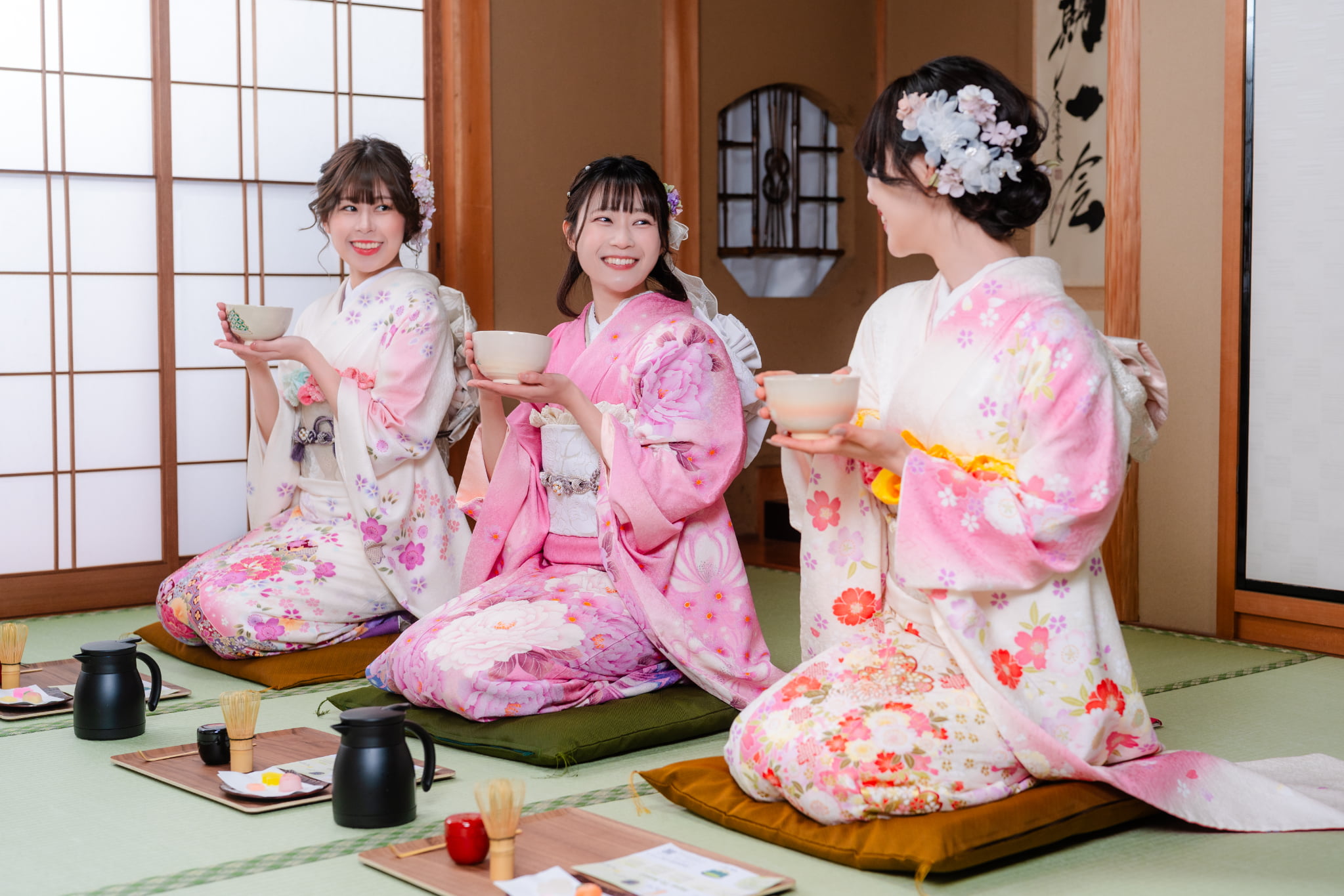
Matcha may now be enjoyed around the world, but in Japan it has a cultural story that reaches far beyond cafés and desserts.
From the way the tea plants are grown to the bamboo whisk used to prepare the tea, every stage has its own traditions and craftsmanship.
Japanese tea ceremony brings these elements together.
A bowl of matcha becomes a way to appreciate the tea, the utensils, the season, the host, and the moment itself.
If you are visiting Kyoto, experiencing matcha in a tea ceremony is an easy way to move beyond simply tasting matcha and begin understanding the culture behind it.
And the best part is that you do not need to be a tea expert.
Simply pick up the chasen, whisk your first bowl, and enjoy the experience.
Learn More About TIA
About TIA
·
Tea Ceremony Flow
·
Locations
·
Plans & Prices
·
Reservation